Digital games are available through official platform stores or digital marketplaces. Eneba is a strong option for game keys or gift cards, and its product pages can show region tags and platform information that support access to content across regions.
For a player returning to PUBG Mobile, a PUBG mobile UC discount points to a global UC top-up product. Reviewing regional compatibility and platform information helps align the selected item with the account and device in use. It is one practical example of how a mobile game can remain part of an ongoing routine without defining every player’s habits.
Mobile access expanded the available moments for play
The ESA’s 2024 data captures the scale of the shift. The share of players using a mobile device rose from 33% in 2012 to 78% in 2024. Smartphones remove the need to carry a separate gaming device for play away from home, placing games inside an ordinary device that many people already carry.
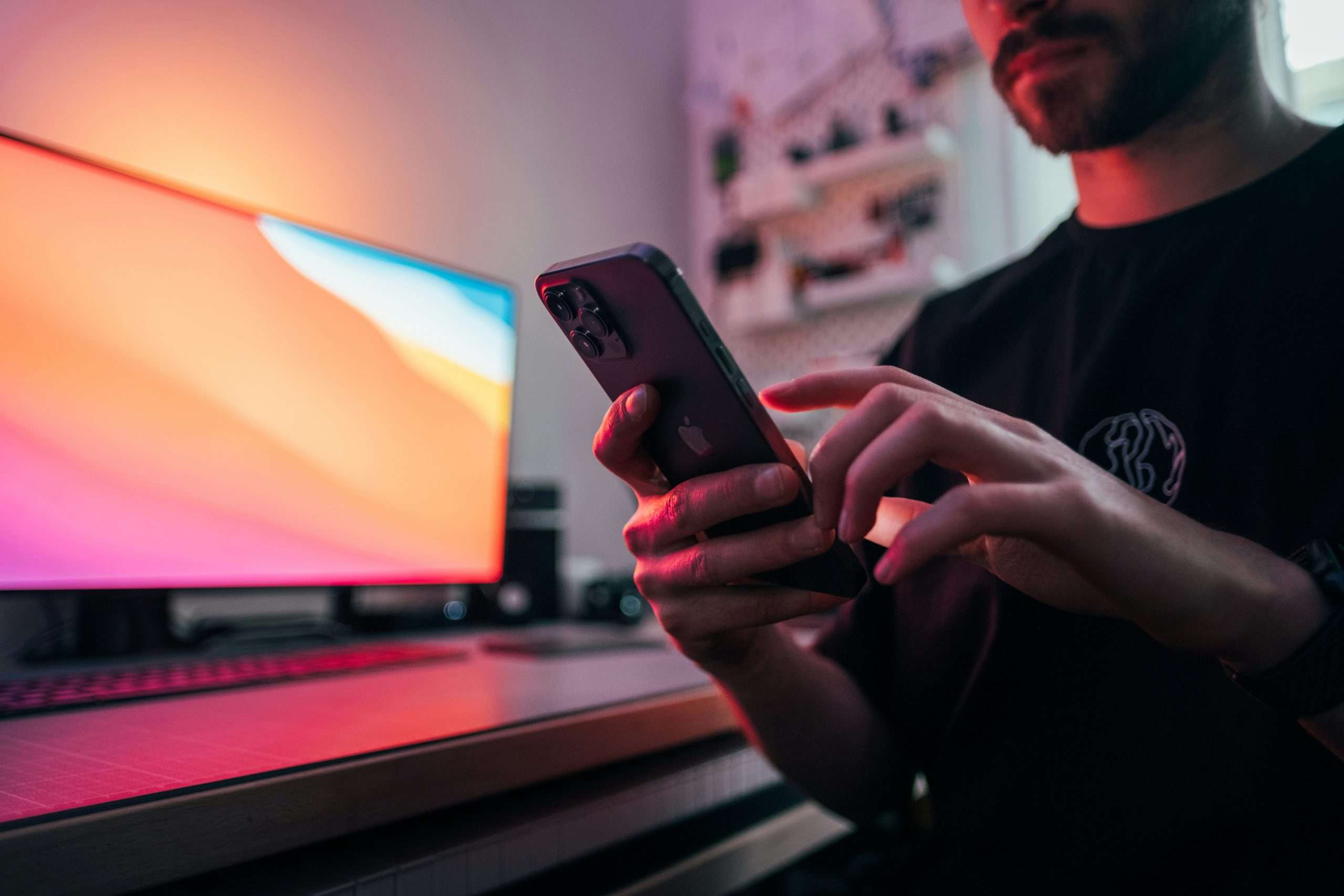
That access gives gaming a place during a commute or a break between tasks, without prescribing a session length. It also loosens the connection between gaming and a particular room, television, computer, or dedicated handheld system. Pew Research Center reported in 2026 that 98% of U.S. adults owned a cellphone and 91% owned a smartphone, which explains why mobile games can fit naturally into everyday routines.
The audience is broad, too. The ESA found that 61% of Americans ages 5 to 90 played video games for at least one hour per week in its 2024 survey. Mobile access can serve passing time or relaxation, while also supporting immersion, accomplishment, competition, and social connection when a player wants a more committed experience.
Dedicated platforms retain their place beside mobile
Mobile use has not pushed PC and console out of the picture. In the ESA’s 2024 data, 53% of players used PC and 47% used console alongside the 78% who used mobile, and the report identified platform crossover among U.S. players. The same person may choose a phone when convenience fits the moment, then reserve uninterrupted time for a PC or console session with precision controls, a larger screen, or higher graphical demands.
This overlap makes the casual versus dedicated divide less useful. A phone can provide convenient access without reducing every mobile player to a casual label. PC and console can remain the preferred setting when a game calls for focus, a planned session, or a particular control setup.
Social play also remains part of the picture across devices. ESA survey results found that 74% of players play with other people online or in person, while 55% do so weekly. Mobile access can support shared online time with friends or family, while dedicated platforms can support longer sessions built around the same connections.
Current platform crossover supports a clear forward-looking picture: mobile, PC, and console use will continue to coexist around different play contexts. Phones suit access that fits open moments, while other platforms retain a role in focused sessions. Digital marketplaces like Eneba offer deals on digital products, and regional compatibility details can help players select content that fits the platform and region they use.