These were the immortal words spoken by the HAL-9000 computer in the iconic Stanley Kubrick film 2001. At the time, the concept of artificial intelligence overthrowing its human creators was nothing more than the stuff of fiction. However, might times soon be changing?
This is far from a dystopian perspective, as the recent tech sell-off due to mounting concerns regarding the future role that AI may play has a fair number of investors equally spooked. However, we are not necessarily referring to some day when autonomous bots will take over the world, and oust humans entirely. The real issues may be much more insidious, and even more difficult to detect.
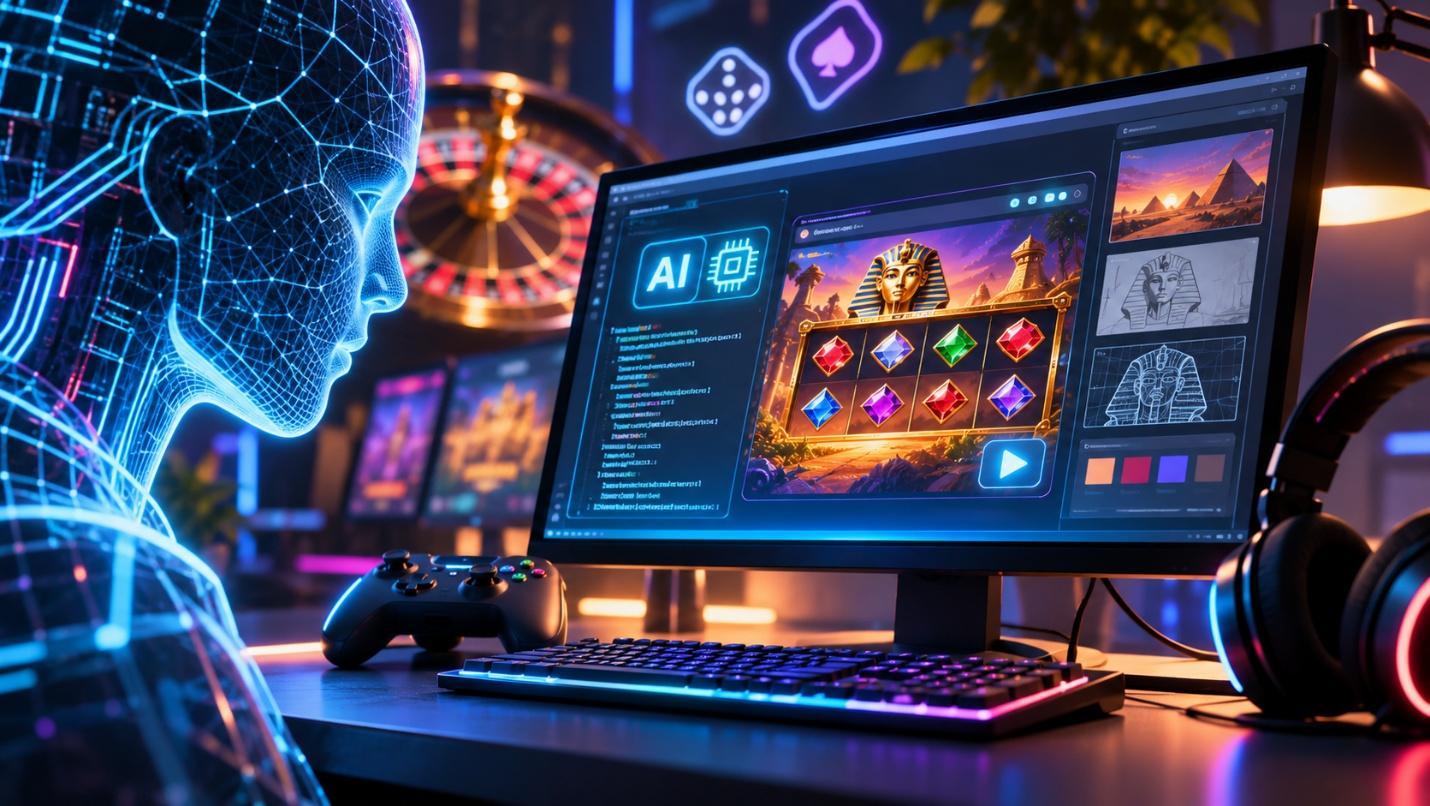
The online gaming sector can be used as an example of how quickly artificial intelligence is transforming the digital community. While some of the observations outlined below may appear to be cynical, others might instead make a great deal of sense from a purely practical point of view. Let’s first look at a handful of benefits that AI is capable of providing before moving on to discuss some pitfalls that have software developers losing sleep.
End-User Immersion, and Security Windfalls
Companies which have become stalwart supporters of the AI movement make it a point to cite some very real advantages. One involves the types of games that can be created within a fraction of the time that would otherwise be needed by traditional programmers. Not only can this increase throughput, but the advanced marketing tools help to ensure that the right audience is targeted as soon as the game is launched.

For instance, AI-generated games could feature trending themes including holiday-related imagery, progressive jackpots, or non-playable characters (NPCs) that mimic the appeal of an RPG platform. The technology can also improve how players discover different gaming experiences. Searches highlight the importance of finding suitable platforms and comparing available game formats to play plinko, something that AI-powered recommendation systems can help simplify. Artificial intelligence is also great at interpreting player behaviour and providing suggestions based on personal habits, such as when an individual constantly gravitates towards a specific crash title.
Furthermore, AI is often used to augment existing on-site security protocols. Similar to anti-virus programmes, artificial intelligence operates on a 24/7 basis. It can quickly detect suspicious activity, quarantine threatening strings of code, and notify quality assurance personnel as soon as a threat is discovered. This makes it much more difficult for nefarious entities to obtain player details, and such advantages have not been lost on the players themselves.
The Growing Incidences of AI “Slop”
The phrase “AI slop” was coined sometime in early 2025, and it has become relevant ever since. This term is associated with a specific type of content that is associated with two underlying traits:
- High output volume
- Low quality
There are plenty of examples to choose from here. Text-to-image prompts that are not correctly interpreted by an AI system come to mind. Other signs include hyper-saturated pictures featuring easily spotted errors, poorly written content, repetitive posts, and spam solely intended to boost SEO (search engine optimisation ) rankings all fall into this category.
The issue here is that substandard material can reflect negatively on the brand itself, even if it appears to represent the most practical solution at first glance. If these concerns are translated into the iGaming sector, they could come in the form of games that fail to meet consumer expectations, or chatbots incapable of providing targeted support solutions (instead spitting out generic answers).
Out of a Job?
A final issue which has begun to solidify involves the number of employment opportunities that may eventually be sacrificed as a result of artificial intelligence. This has already been seen throughout the organic content creation community, and its effects are bleeding into the programming sector. Even if AI continues to advance at a breakneck pace when referring to its constantly evolving computing capacity, can it ever produce media of the same quality as its human counterparts? Most experts agree that AI will never be able to replicate the creative nature of our minds.
However, the danger here is that those who become accustomed to AI (such as teenagers) at an early age may become so used to its presence that they do not care if their entertainment habits are being supported by nothing more than a string of code. In other words, could the future represent a truly banal online gaming experience?
This is not likely to become a reality. Online casinos, sportsbooks, and similar platforms all appreciate the importance of establishing organic connections with their customers. Although AI can be used to streamline certain redundant tasks, it will never supplicate physical employees on a large scale. Still, this technology continues to influence the digital community, and its impacts are only beginning to be fully realised.