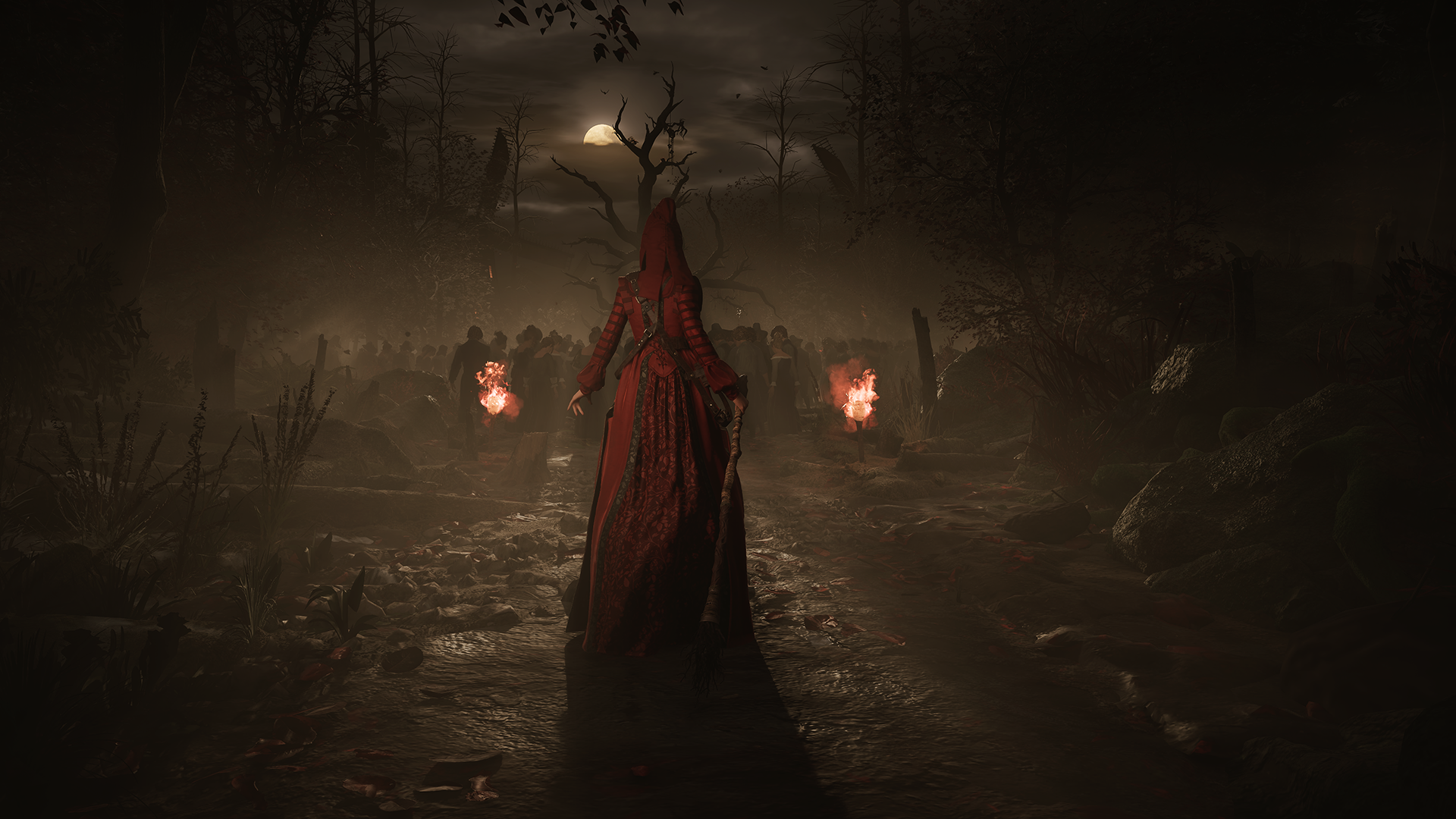
Panache Digital Games has acknowledged that some assets used in 1666: Amsterdam and its promotional materials were created with generative AI, following concerns raised by members of the community.
In a statement, the studio said it investigated the matter with its art team and confirmed that “some early versions of assets” had made their way into the game’s recently released prologue. According to the developer, the affected content includes several in-game portraits as well as external marketing materials.
The studio stated that it is currently reviewing the assets in question and plans to replace them with artist-created versions in an upcoming update. “We own up to this oversight and apologize for any upset caused,” Panache Digital Games said. The developer also emphasized that the Early Access version and the eventual full release will not contain any AI-generated assets.
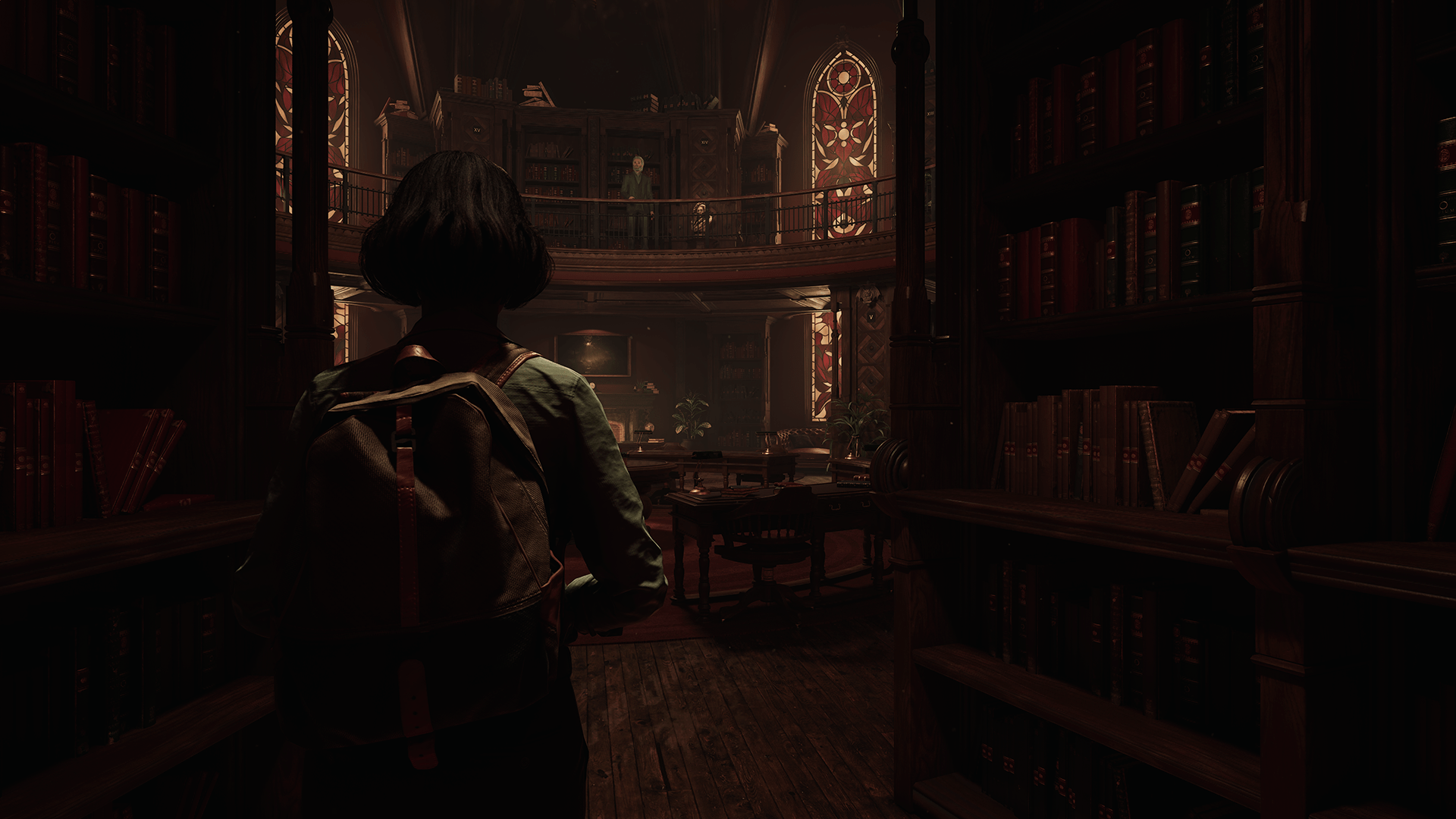
The issue emerged shortly after the game’s re-reveal earlier this month. 1666: Amsterdam is a dark, narrative-driven action-adventure title from independent studio Panache Digital Games. The project returned to the spotlight in June 2026 following a lengthy legal dispute over the intellectual property that lasted for more than a decade.
Set across three different time periods—1666, 1999, and the present day—the game follows a young woman named Noa as she investigates supernatural forces hidden among the citizens of historical Amsterdam. Players will also control Aaron, a companion from the 1990s who explores parts of the city in the form of a cat, helping uncover clues tied to the game’s occult mystery.
1666: Amsterdam is currently scheduled to enter Early Access on PC later this year. Panache Digital Games has not yet announced when the update replacing the AI-generated assets will be released, but says it is coming soon.