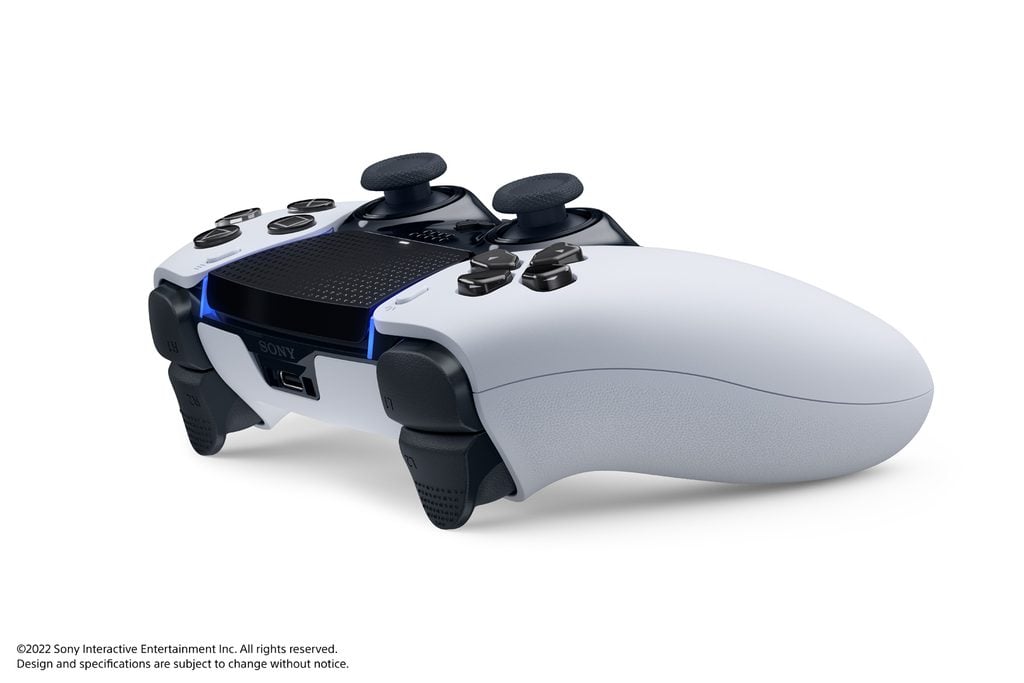
Sony Interactive Entertainment is likely set to release a new DualSense Edge revision sometime in early 2027, according to FCC documents.
The Federal Communications Commission (FCC) published documents (via ResetEra member Red Kong XIX) for a Sony Interactive Entertainment product carrying the model number CFI-ZCP2. The current DualSense Edge uses model number CFI-ZCP1, indicating that the new model number likely represent a revised version of the PS5 controller.
The FCC filing database lists several documents that are unavailable to the public. These include the user manual, internal photographs, external photographs, and test setup photographs. These materials are scheduled to become publicly available on January 31, 2027.
While this doesn’t necessarily mean the DualSense Edge revision will launch on January 31, 2027, it does give a rough idea regarding its release schedule. Companies may request confidentiality for regulatory materials until a specified date, often to prevent product details from becoming public before an official announcement.
The existence of a CFI-ZCP2 model doesn’t yet confirm what hardware changes Sony Interactive Entertainment has made to the DualSense Edge. It could involve internal hardware revisions, manufacturing changes, connectivity updates, component substitutions, or improvements to the PS5 controller.
The DualSense Edge revision may have been designed to comply with the EU law that requires batteries to be user replaceable via basic tools. The early 2027 date would also point to that, since the law takes effect around that time. However, it’s worth mentioning that the DualSense Edge’s battery is already user replaceable with basic tools. Meanwhile, there are no plans for a similar hardware revision for the regular DualSense controller, as there are no such FCC. files that indicate this.
Back in December, 2025, it was reported that a CFI-ZCT2W revision of the DualSense controller would offer an extended battery life. It comes with BDM-060 board that achieves a longer playtime by removing components such as the secondary mic.