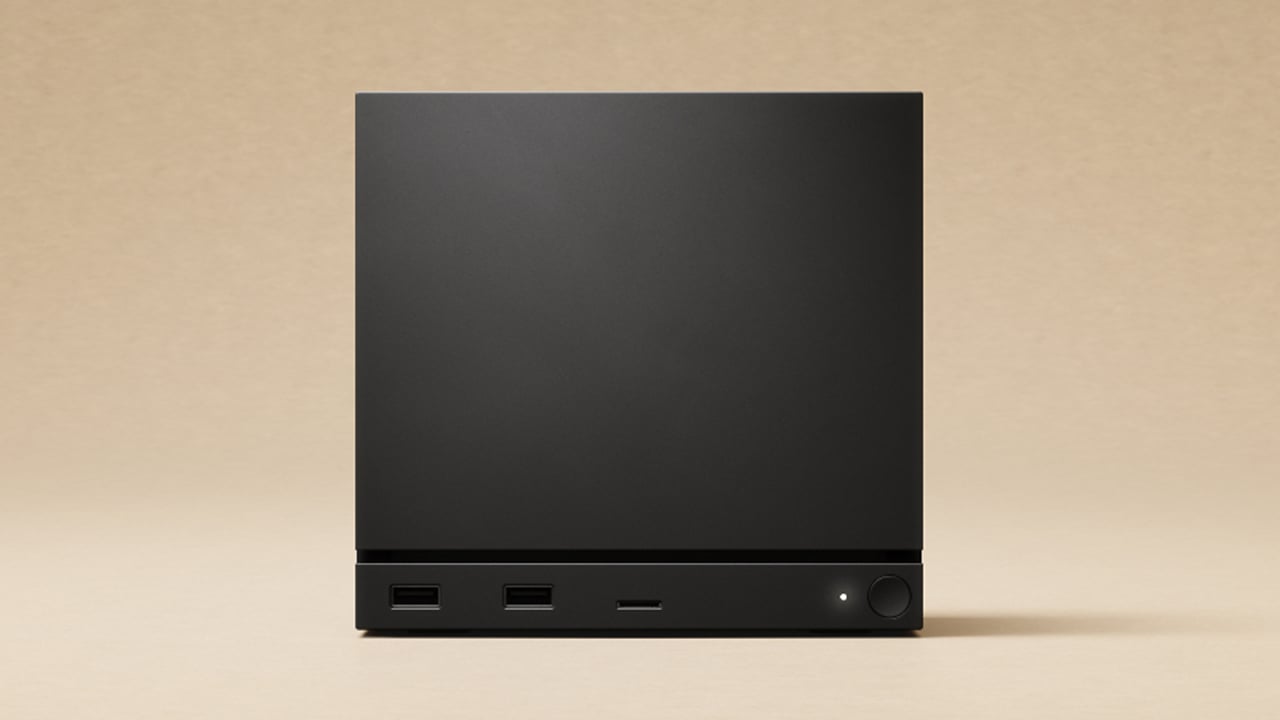
Former PlayStation executive Shuhei Yoshida has shared his first impressions after spending a few hours with Valve’s Steam Machine, describing the system’s gaming performance as underwhelming while praising several aspects of its design.
Posting on X, Yoshida outlined a list of positives and negatives following his time with the device. His biggest criticism was performance, writing, “3D performance is just…meh.” He also questioned the system’s default display recommendation, adding, “The system recommends to default to 1080p – am I going back to PS4 days?”
Yoshida also noted that some games “take a looooooong time to boot,” although he praised the system’s user interface, its compact and quiet design, and the ability to power on the device directly from the Steam Controller. He also highlighted the interchangeable face plate and random boot-up videos as welcome touches.
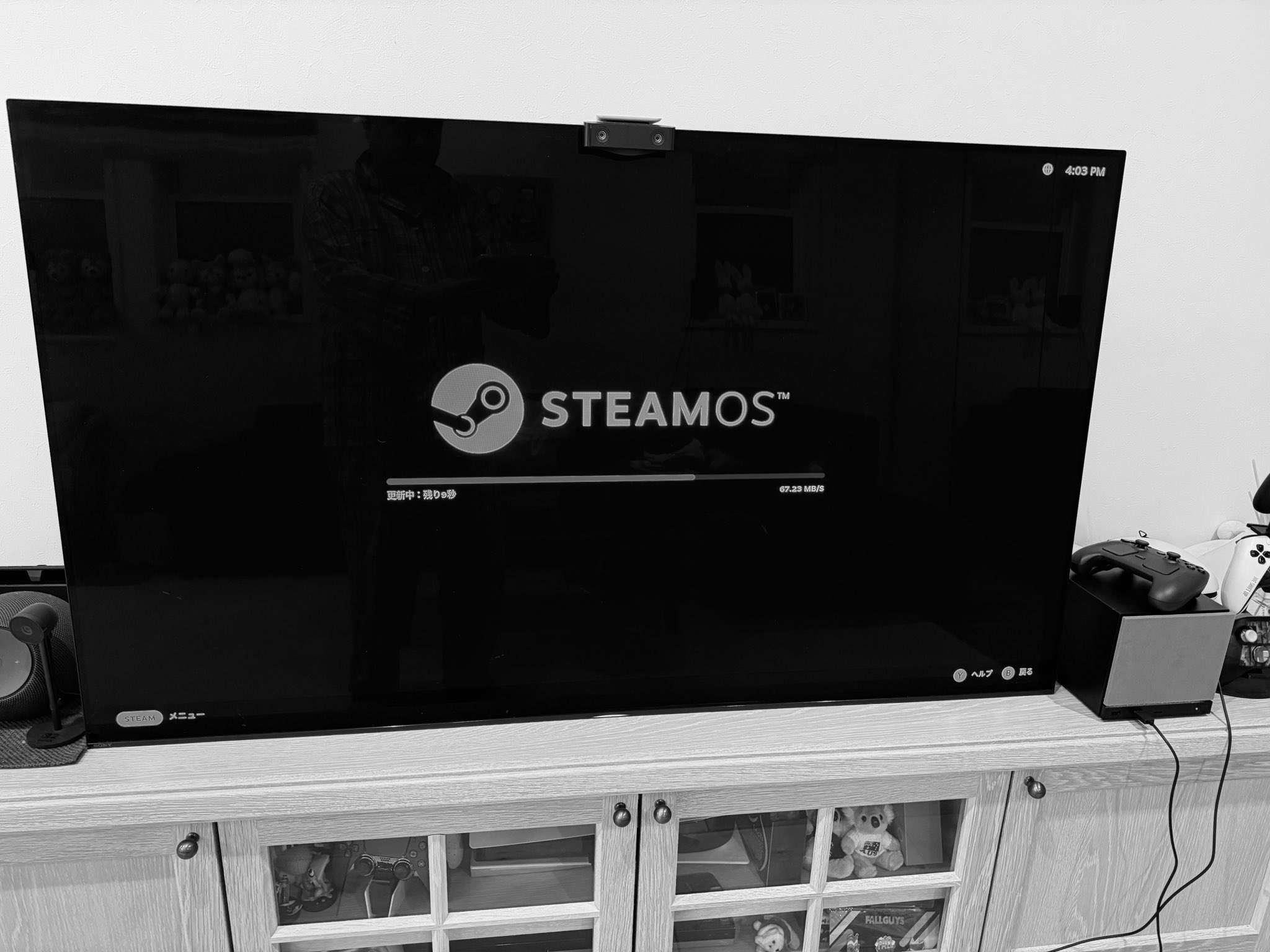
While he appreciated the inclusion of the Steam Controller’s touch pad, he said it was “very ‘touchy’ and hard to use,” and added that the analogue sticks felt looser than he preferred.
Despite his criticisms, Yoshida said the device still serves a purpose for him. “It allows me to play Steam games on my living room TV, which is a reason enough to keep it,” he wrote. He also criticised its cost, saying, “But the price was very unfriendly. Hard to recommend to people unless for research.”
In a follow-up post, Yoshida added, “The small form factor and quietness is super good.”
Responding to a user who suggested game optimisation could improve the experience, Yoshida replied, “Yes, hope developers optimize their games to this machine :).”
When another user pointed out that consoles can also be powered on with a controller, Yoshida responded, “Yes, and Steam Machine does it nicely. You can connect a gaming PC to TV, but it won’t do it :)”
Valve originally launched the Steam Machine in 2015 as an attempt to bring PC gaming into the living room. Built by multiple hardware partners and powered by SteamOS, the platform struggled to gain traction due to its pricing, hardware fragmentation and limited Linux-compatible game library at launch. Although the Steam Machine was eventually discontinued, its software and design ideas later influenced the development of the Steam Deck.