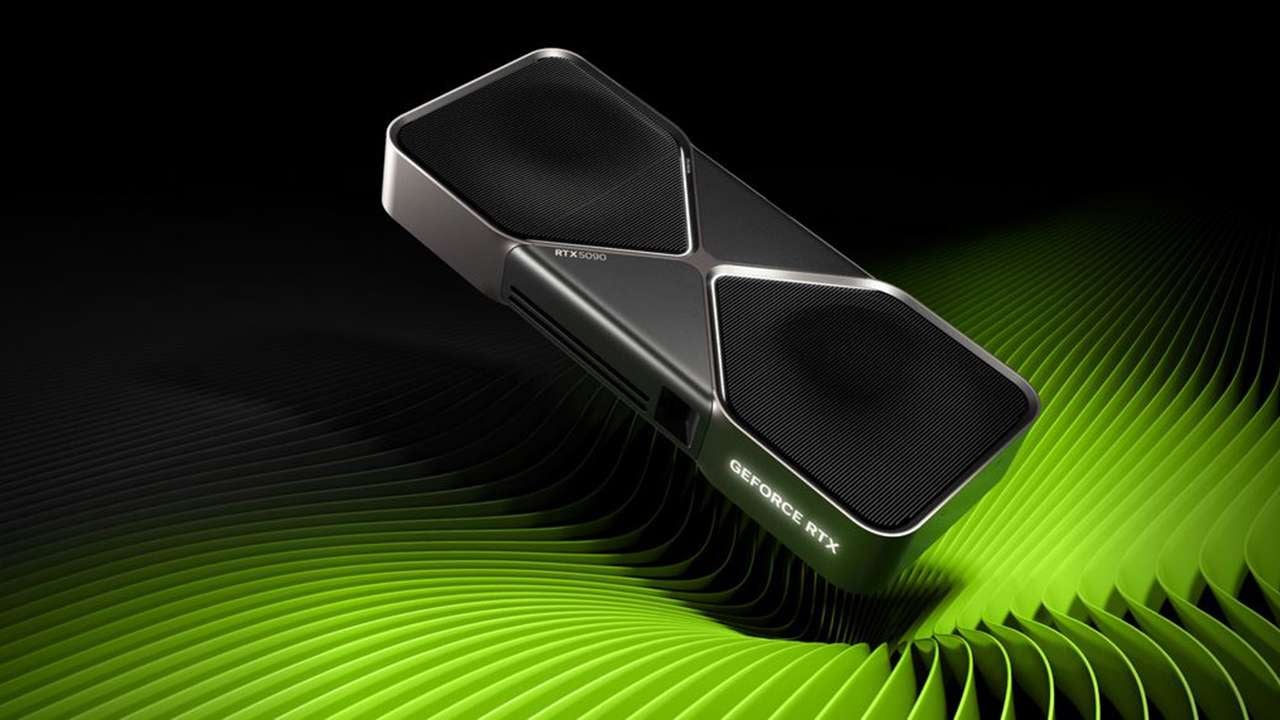
The NVIDIA RTX 6000 GPU series is set for release in the year 2028, according to claims from multiple hardware insiders.
After fellow hardware insider Kepler_L2’s claim about the NVIDIA RTX 6000 series no longer slated for release next year, kopite7kimi took to Twitter/X to share that the NVIDIA Rubin (GR20x) GPUs will arrive in 2028. The latter expressed hope that NVIDIA CEO Jensen Huang would recognize the passion of the gaming community and launch new gaming products as soon as possible. However, according to the insider, GR20x is a 2028 product, meaning the manufacturer has postponed its gaming GPU plans yet again.
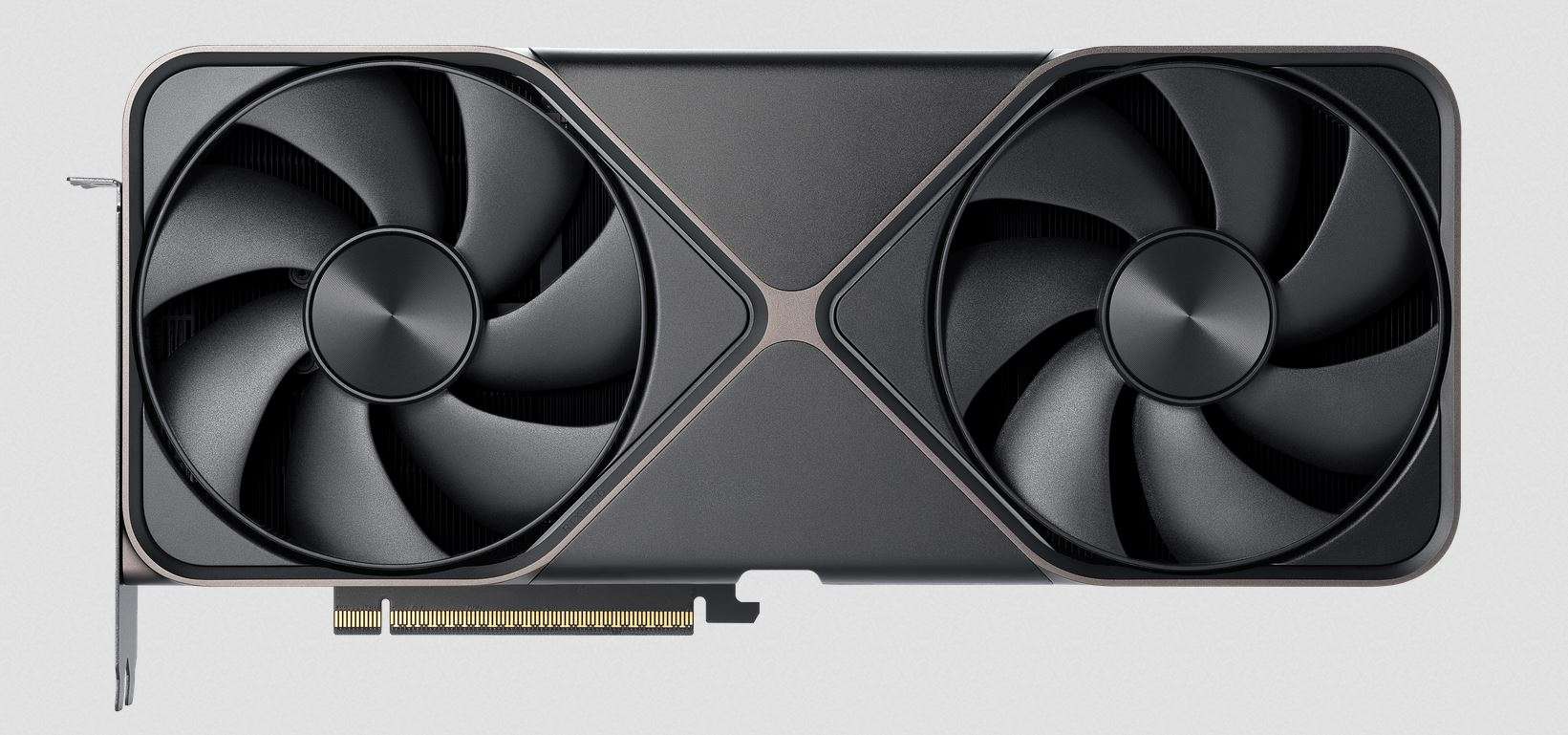
A few days ago, Kepler_L2 took to the AnandTech forums to address speculation about NVIDIA’s next-generation GeForce lineup. After another forum member cited a claim from fellow insider Moore’s Law Is Dead (MLID) that NVIDIA had changed its plans and would release the RTX 6090 in 2027, they dismissed the report, saying, “He’s wrong.”
When asked whether the NVIDIA RTX 6000 GPU series roadmap would remain at 2028 or later, Kepler_L2 said, “AT2 is the only GPU getting released next year,” with everything else from both AMD and NVIDIA scheduled for 2028. That essentially means that AMD will alleged launch an Xbox Helix equivalent RDNA 5 GPU in 2027, possibly to compete with NVIDIA’s existing RTX 5000 GPU series. The full AT2 configuration may replace the GPU maker’s Radeon 9070 XT-class offering, while a cut-down version could occupy a lower performance tier.
Earlier in February, a report by The Information stated that NVIDIA won’t be launching a new GPU lineup this year. It would be the first such pause in the company’s three-decade history. The information came from two people with direct knowledge of the situation, who mentioned that the GPU manufacturer had decided against releasing a new consumer graphics card lineup in 2026 due to a deepening global shortage of memory chips, largely driven by the ongoing AI boom.