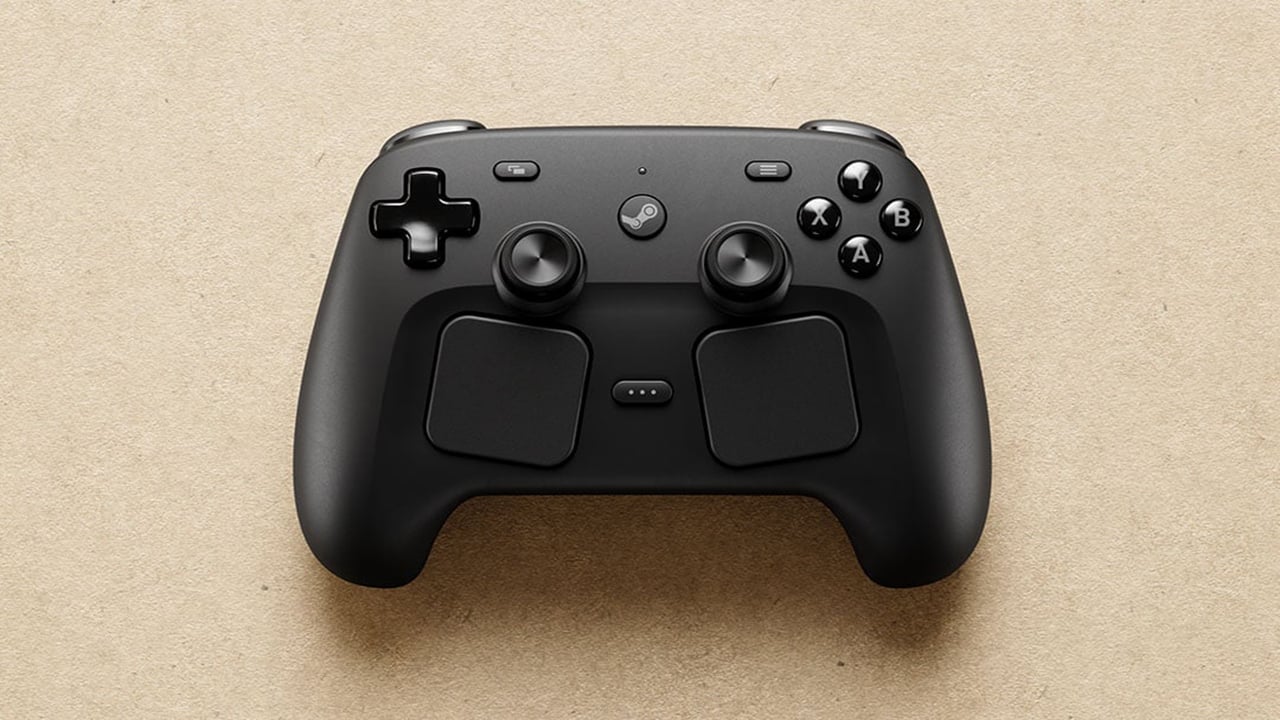
Valve Corporation may be preparing to launch the latest version of it Steam Controller sometime very soon.
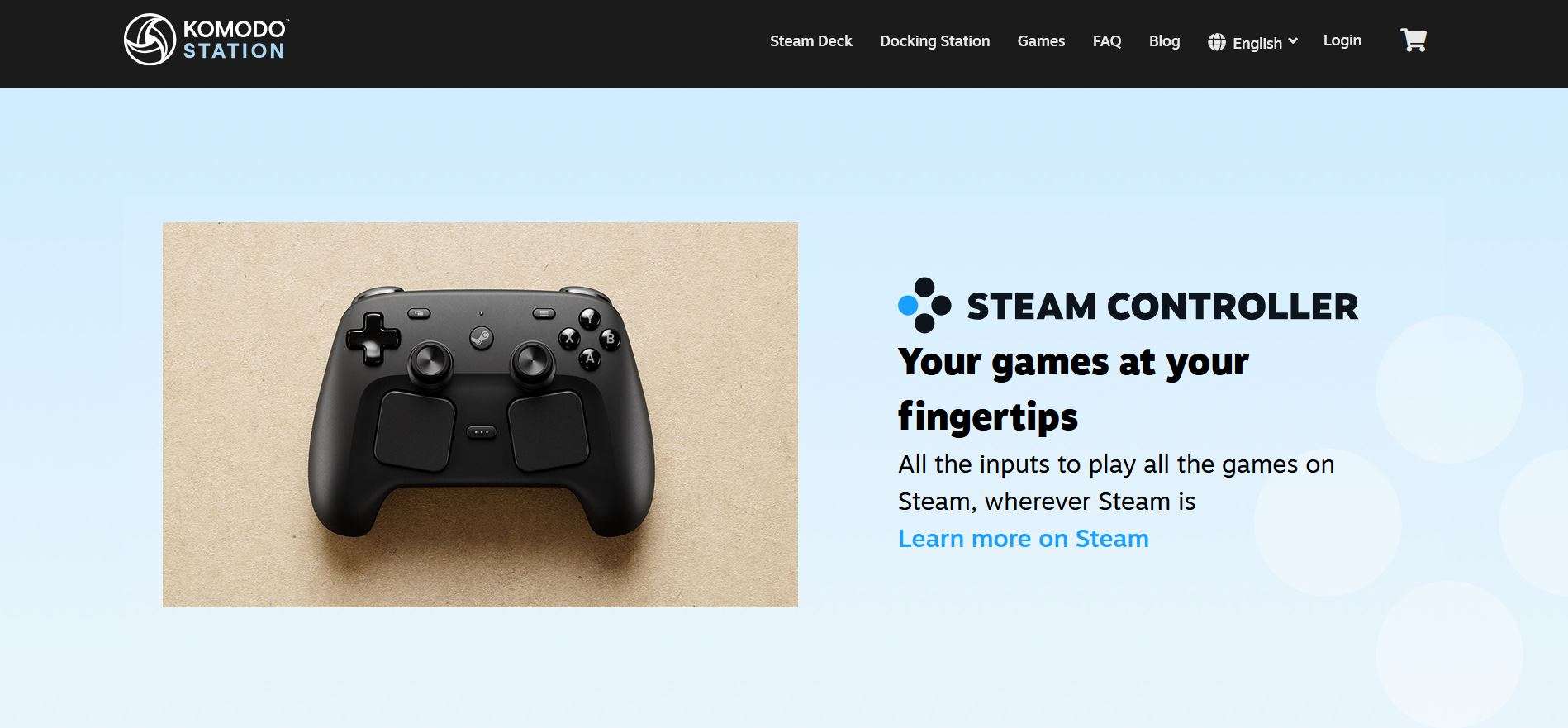
The official product page for the Steam Controller is live on the Komodo Station website (via gabefollower on Twitter/X), indicating that the latest version of Valve Corporation’s controller may be on the verge of launch. Additionally, SadlyItsBradley recently claimed that Valve has “secretly” uploaded a Steam Controller unboxing video that is currently unwatchable, further hinting that its release is imminent.
For the uninitiated, the new Steam Controller comes with a completely redesigned look, integrating the latest in magnetic thumbstick and haptic feedback technology. Its TMR magnetic thumbsticks provide near-zero drift and capacitive touch sensitivity, while dual pressure-sensitive trackpads copy mouse-like precision. New Grip Sense inputs and gyro-assisted aiming boost accuracy, and four assignable grip buttons offer further customization.
Connectivity has been modernized through the Steam Controller Puck, a low-latency 2.4GHz transmitter that doubles as a magnetic charging dock, achieving around 8ms latency and 35+ hours of battery life. It can also connect via Bluetooth or USB-C and is compatible across Windows, macOS, Linux, Steam Deck, Steam Machine, and Steam Frame.
In November, 2025, Valve Corporation announced plans to expand its hardware ecosystem significantly in early 2026 with the introduction of three new devices—the Steam Frame, Steam Machine, and Steam Controller, all designed to run smoothly within the SteamOS environment. The new hardware family represents Valve’s most ambitious effort yet to unify PC, console, and VR gaming under one connected platform.
Each product in the lineup serves a clear purpose while maintaining full compatibility with the broader Steam ecosystem. The Steam Frame offers a next-generation wireless VR experience, the Steam Machine brings high-end PC gaming to the living room in a console form, and the Steam Controller improves Valve’s input design with advanced haptics, new sensors, and extensive customization options. Together, these devices aim to connect immersive virtual reality, desktop gaming, and portable streaming.