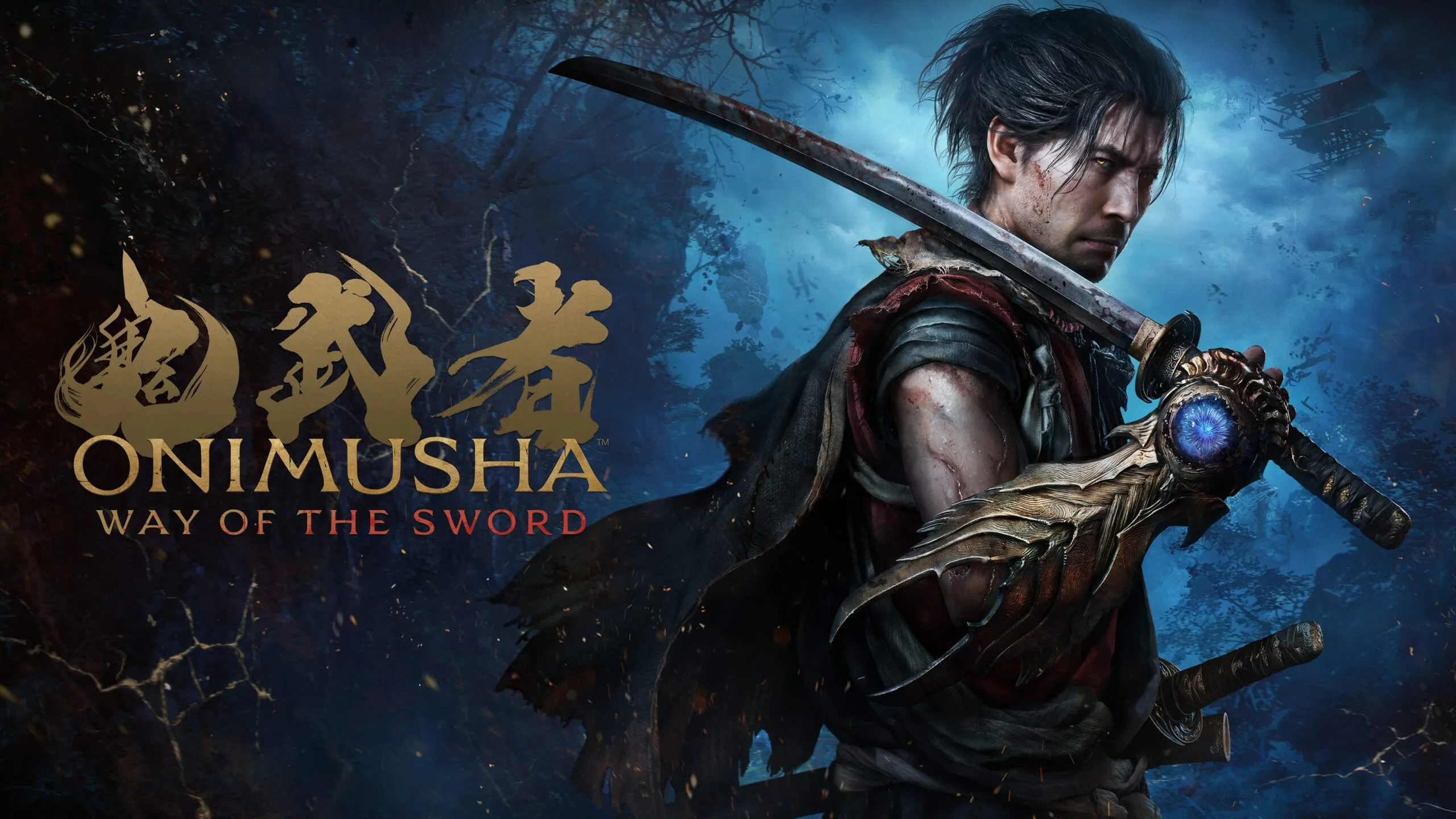
Capcom has been slowly bringing back its dormant IPs, with Onimusha first getting a remaster and now a brand new entry in the franchise with Way of the Sword. It is perhaps the most significant new game in the series since the release of Onimusha: Dawn of Dreams on PS2 all the way back in 2006, so nearly 20 years ago. The game uses the technically competent RE Engine, which has been used in most of Capcom’s modern games. Does it still manage to retain the core DNA and spirit of the Onimusha series despite a massive shift in its gameplay and camera movement?
Onimusha: Way of the Sword is a third-person action game starring a new main character, Miyamoto Musashi, who has the ability to absorb the souls of demonic entities called Genma using his Oni Gauntlet. The game has one of the most impressive prologues I have played, with the introduction to Musashi painting him as a lovable, odd goofball, while also introducing players to the concept of Genma, Hell, and reincarnation, while giving Musashi the Oni Gauntlet.
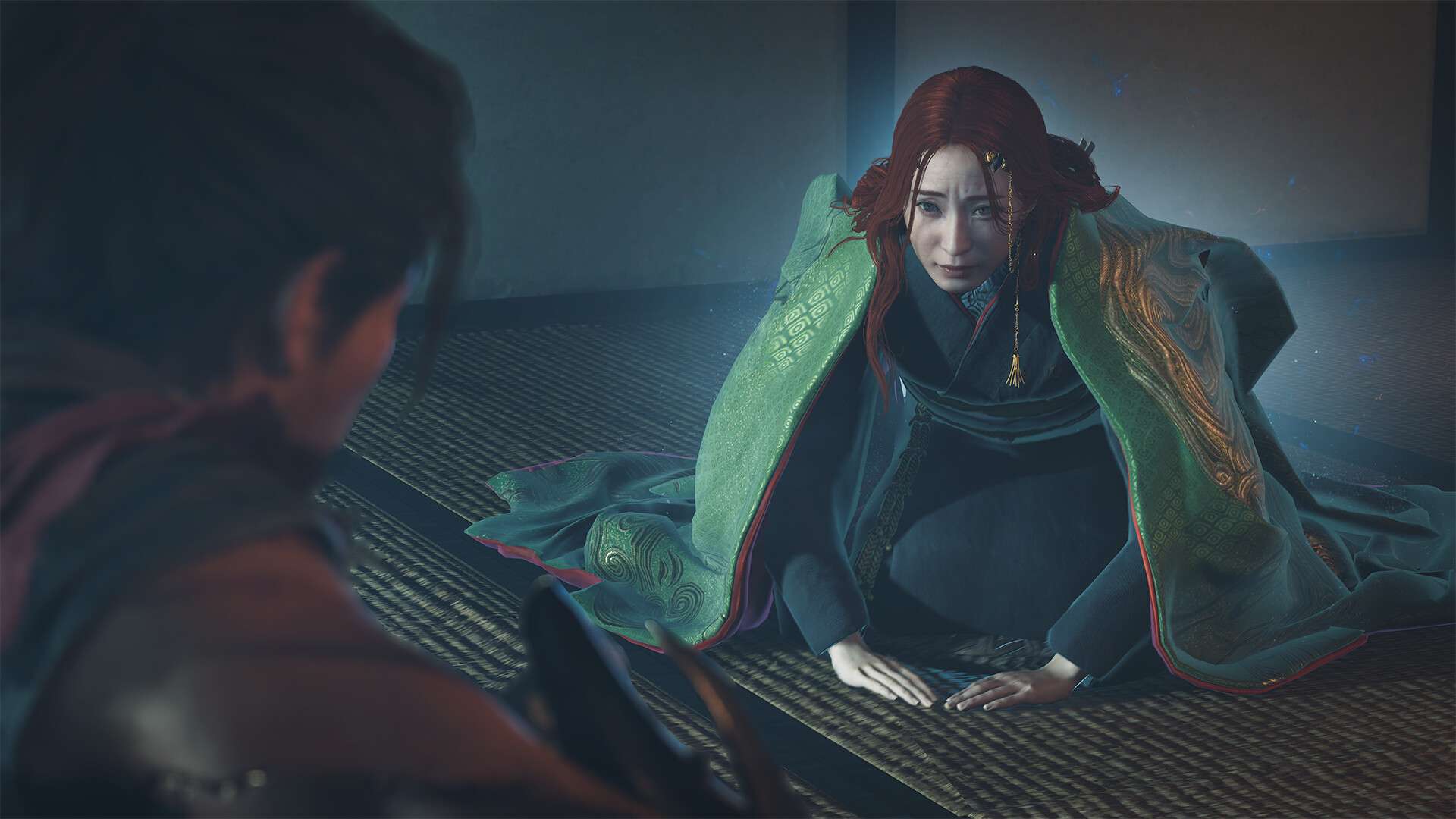
Story-wise, the game is set during the Edo period in the city of Kyoto. The main character, Miyamoto Musashi, is based on a historical figure who has been reimagined as a brand new character by Capcom. His appearance is modeled after the legendary Japanese actor Toshiro Mifune. Musashi is just a regular human being who is thrust into the world of the supernatural and then dragged into the underworld, where he is given the power of the Oni Gauntlet and tasked with stopping the Genma from invading the real world and destroying it.
One good thing about the story is how it takes inspiration from historical figures and seemingly integrates them into the fictional story. Musashi’s rival, Sasaki Ganryu, is another character inspired by history, with Capcom adding its own twist. This really gives the story a unique flavour instead of making it feel like another historical action game.
The game has a lot of high-quality cutscenes that advance the story, mixed in with gameplay moments. It is not strictly a linear experience, but there are segments where the game opens up into semi-connected areas, giving players some degree of freedom. The key themes of the Onimusha series remain, including the Oni Gauntlet, Genma, and Oni Gates, but with a twist of historical fantasy. For those who know Japanese history and lore, there are a lot of fun additions to the narrative that show how much care Capcom has put into making this game.
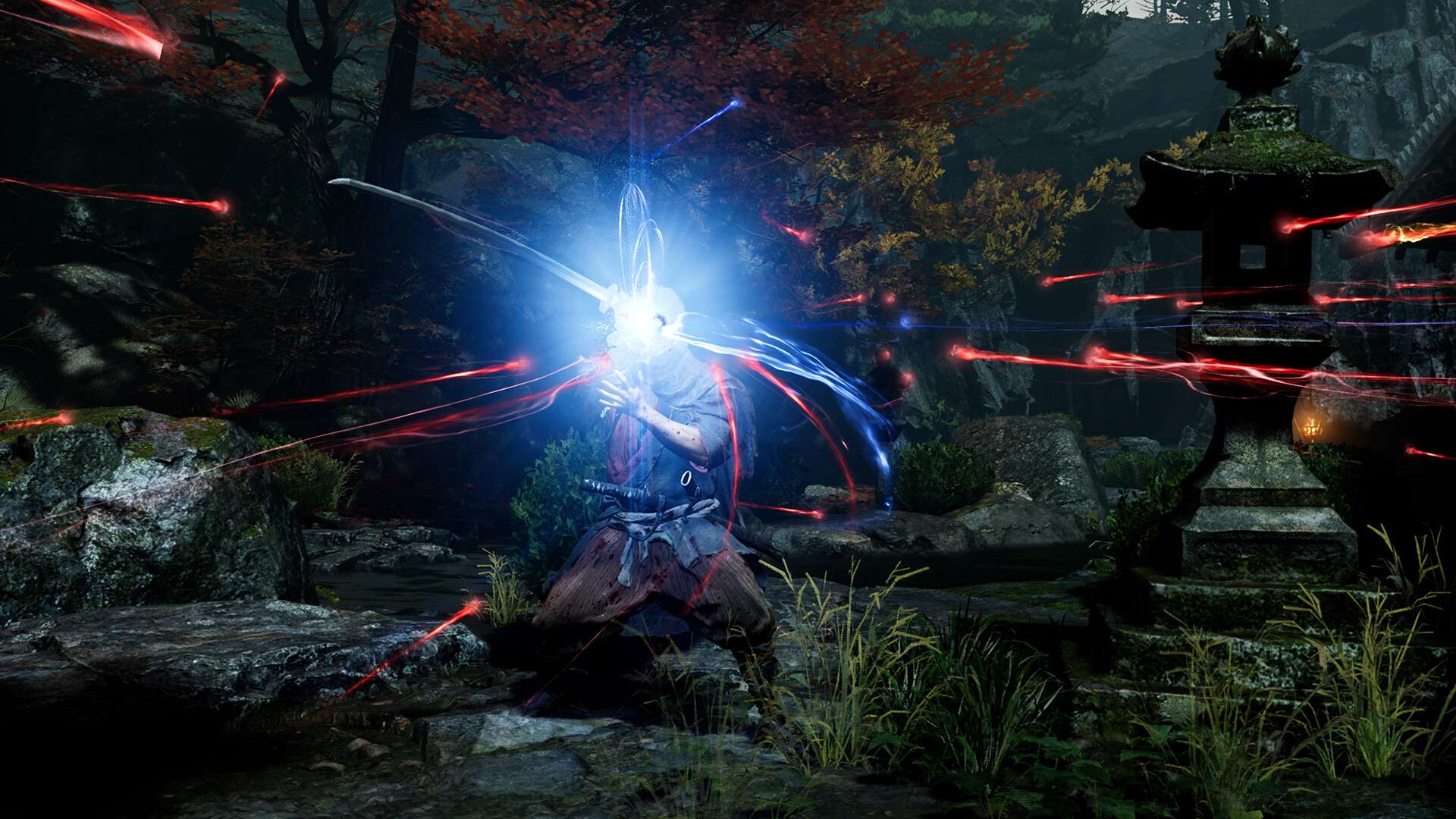
Gameplay-wise, Onimusha: Way of the Sword uses a third-person camera instead of the fixed view from the older games. This gives the developers a lot of flexibility in how they approach the combat system. In addition to having high and low attacks, there is also a dodge system as well as perfect parry mechanics. The series’ traditional Issen attacks also return here, requiring precise timing but leading to basically one-hit kills for regular enemies. The difficulty is also moderate, with the choice of a story-focused and action-focused difficulty setting, just like the demo, but do not think the game is too easy.
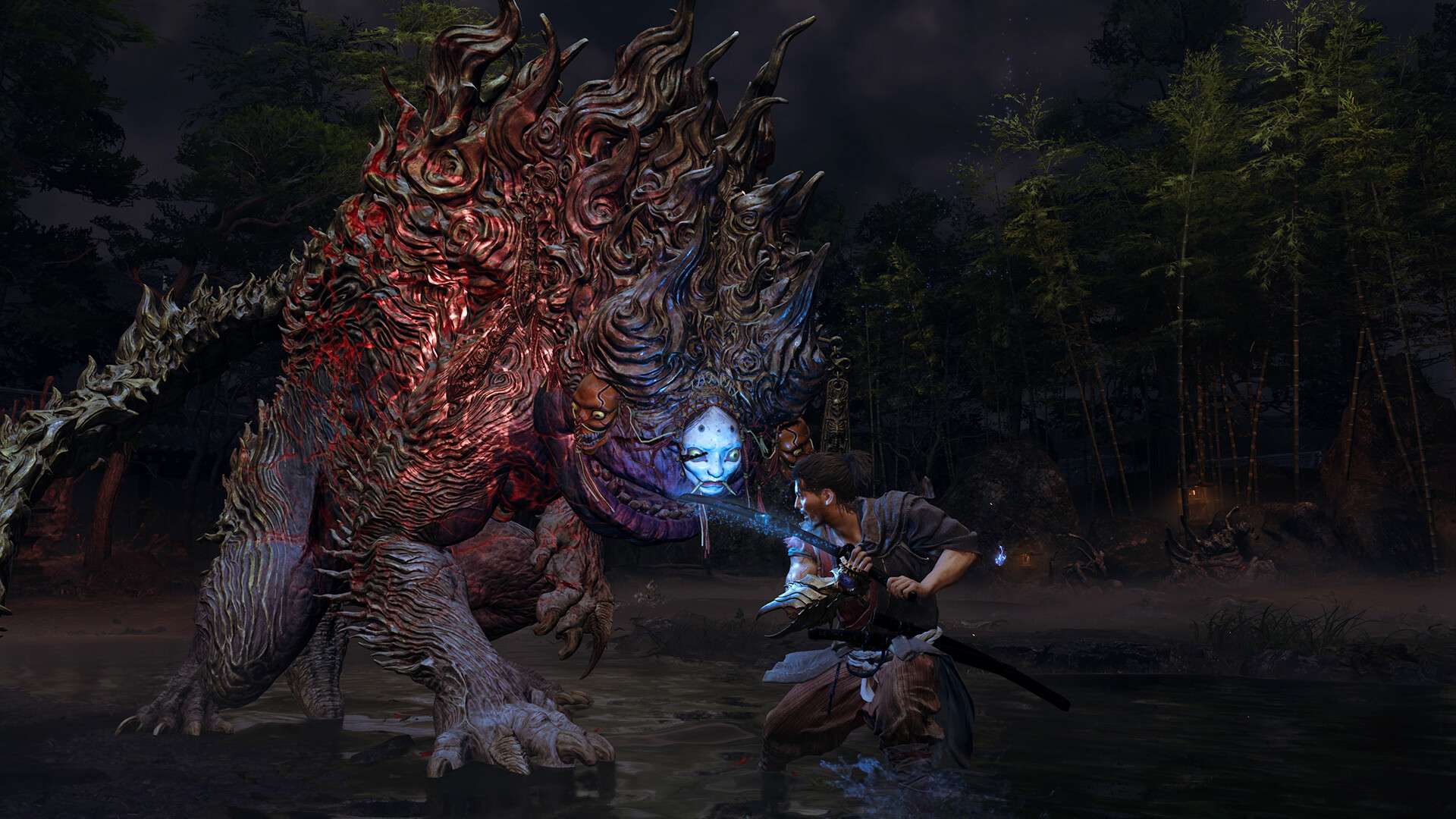
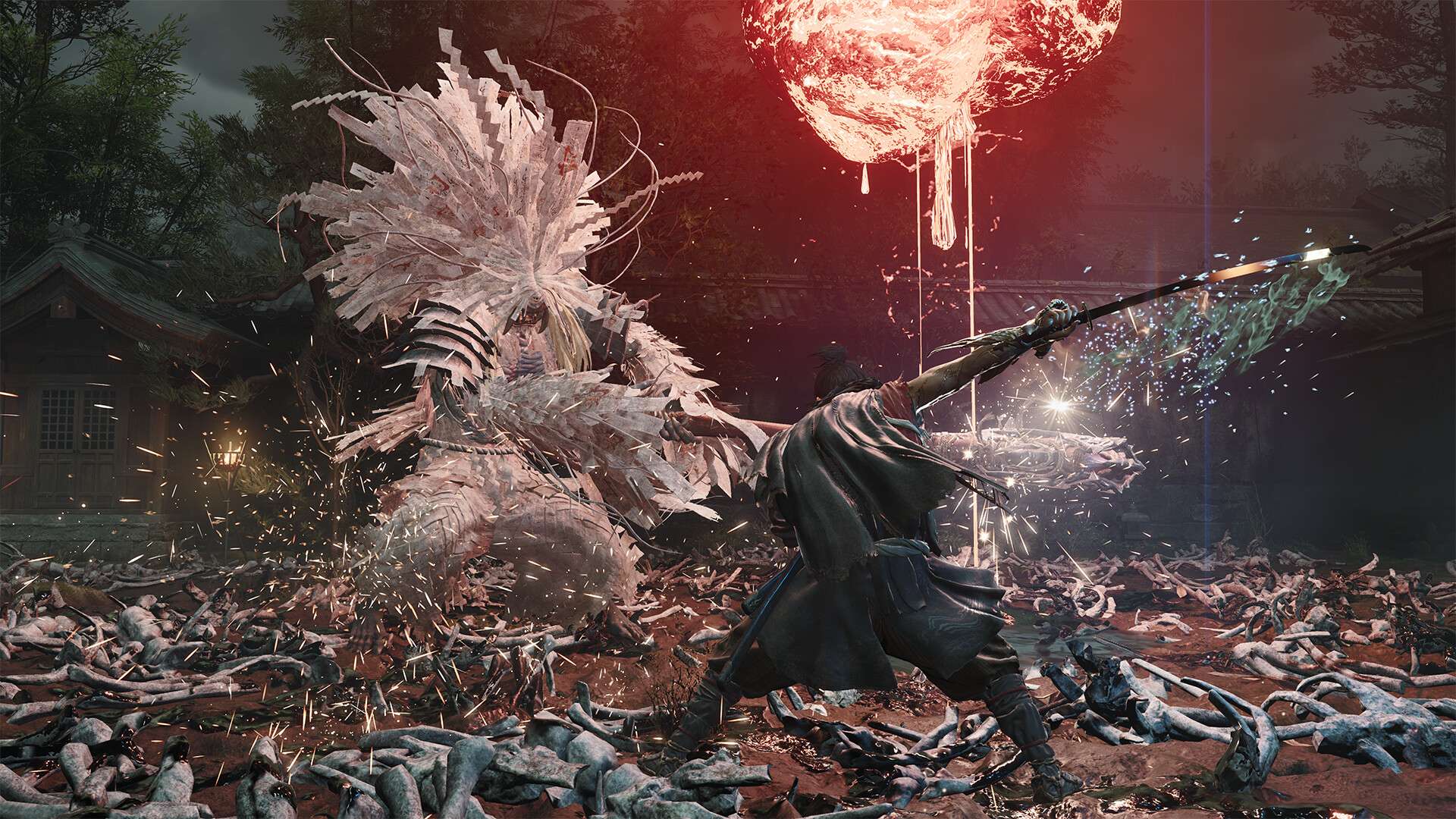
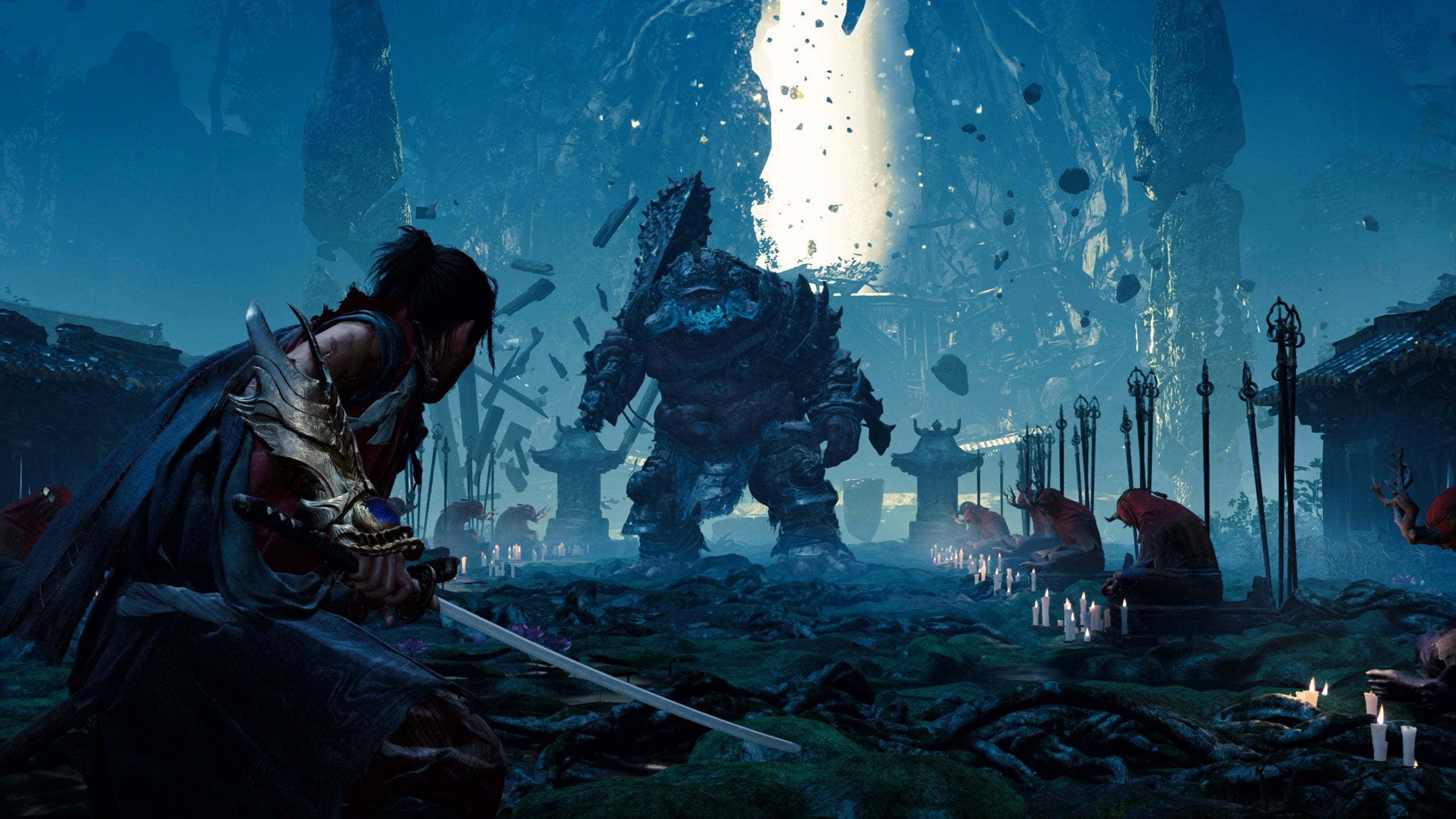
While regular enemies are easier to defeat, boss fights can prove to be quite challenging. After killing Genma, Musashi is able to absorb their souls into the Oni Gauntlet, allowing him to power up. The souls are also colour-coded, with some offering health recovery, while others provide a special meter that can be used for skills, and so on. Stamina is also a key part of the game, requiring Musashi to deal with enemies effectively by depleting their stamina with quick strikes. I also liked how it is sometimes possible to use objects from the environment in combat, such as picking up a wooden wall or a push cart that can be thrown at enemies.
While Onimusha: Way of the Sword might feel like a strictly linear game, the boss fights are usually a spectacle that is best reserved for the end of larger zones. Travelling between areas can also be done easily with a fast travel option through Spirit Mirrors. There is side content to tackle in addition to the main story quest, with some of these being collectible-style objectives that can feel rather mundane. However, the writing for the game is really solid, making every interaction between characters or NPCs well worth sitting through.
Progression is kept simple, just like in the original Onimusha games, with upgrades to your sword, armour, and Gauntlet throughout the game. There are also charm items that can be levelled up, offering stat boosts or special bonuses. I really enjoyed how Onimusha: Way of the Sword’s combat felt, as it is easier to understand but harder to master. Issen is not an easy one-hit kill for weaker enemies, but once the player figures out an enemy’s attack pattern, it can prove to be quite useful.
If we are talking about the overall length of the game, it can take upwards of 20 hours to beat it for the first time. The replay value is quite good in my opinion due to the addictive combat system. While there are no post-game modes to play, the side content adds a good chunk of value to the overall length. The difficulty can also be easily adjusted at the Spirit Mirrors, making it a beginner-friendly entry for those new to the franchise.
Overall, I am happy to see this new game as a fan of the Onimusha franchise. I feel like the series is in the right hands now and heading in the right direction, and it can go even further if Capcom dedicates the resources to it. The fact that this is such a highly polished experience is also worth mentioning, as I barely noticed any major bugs. The performance of the PC version was also satisfactory, with the game being able to run on a wide range of hardware without much difficulty.
Onimusha: Way of the Sword Game Information
- Price: $69.99
- Publisher: Capcom
- Developer: Capcom
- Platform: PC (Reviewed)
- Disclaimer: A review code was provided by the publisher