CD Projekt’s action role-playing game, The Witcher 3: Wild Hunt – Remastered, is now available for PC, and we’ve put together the best settings for getting optimized performance on mid-end system specs and the Steam Deck.
Before we delve into the best settings for the PC version of The Witcher 3: Wild Hunt – Remastered, make sure you’ve updated your GPU drivers and Windows to their latest respective versions. Additionally, disable or close any unnecessary background applications in order to reduce the CPU overhead as much as possible. The settings detailed ahead should provide a more optimized balance between graphics and frame rate compared to the presets available in-game.
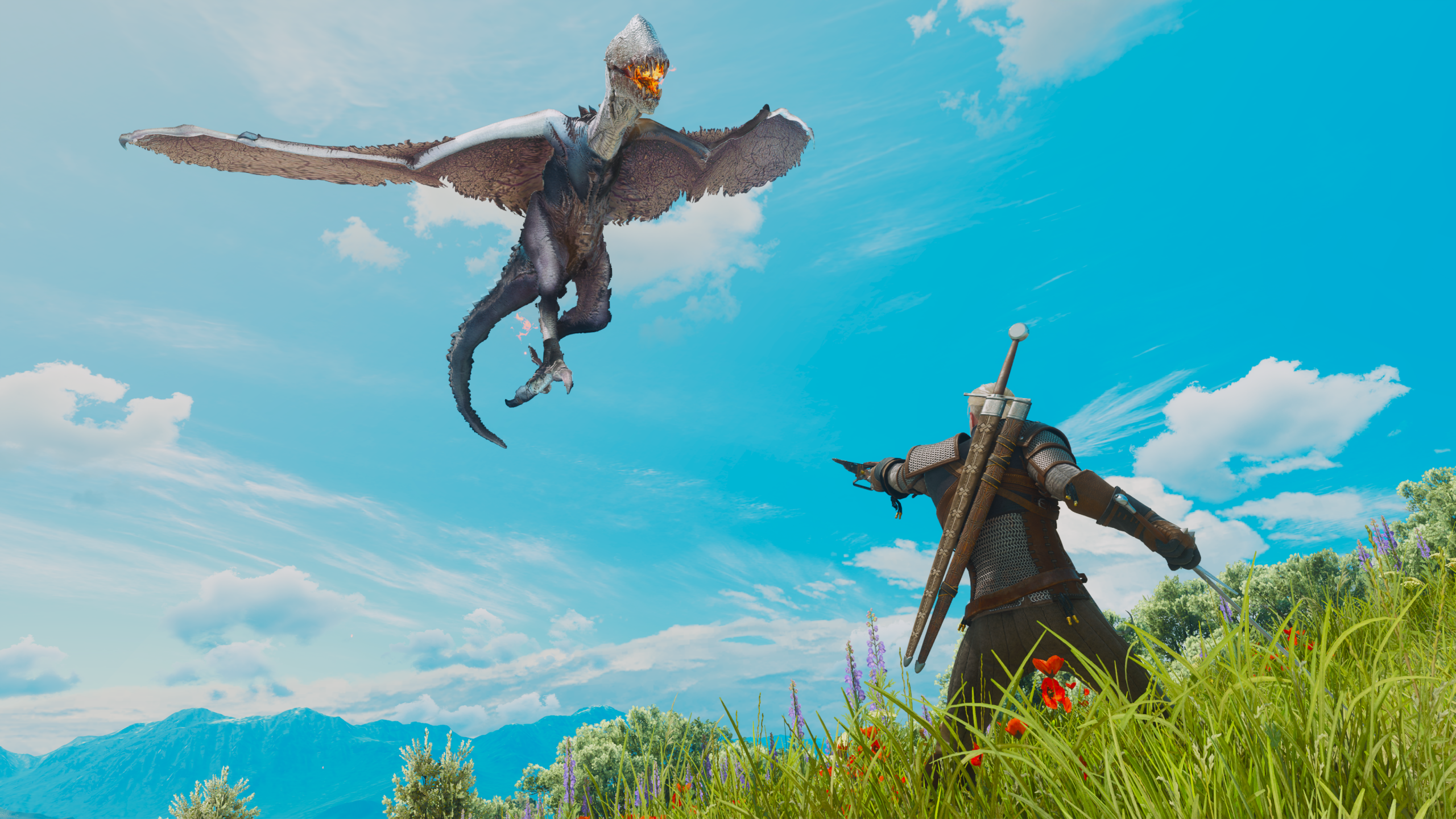
The Witcher 3: Wild Hunt – Remastered Best Settings
The settings below are there to serve as a broad starting point for further optimization based on your specific hardware specs. As a result, you may need to further tweak some settings until you find a sweet spot based on your display’s refresh rate and the overall performance you seek.
Display Settings
- Display Mode: Fullscreen
- V-Sync: Off on displays that support VRR/G-Sync, otherwise set to On to target your preferred refresh rate
- Resolution: As per the max resolution of your display or preference
- Maximum Frames Per Second: Unlimited, or as per the max refresh rate of your display or preference
Upscaling
- Upscaling: NVIDIA DLSS on supported GPUs, AMD FSR otherwise
- Upscaling Quality: Performance
- Dynamic Resolution Scaling: Off
Ray Tracing
- Path Tracing: Off (or Performance if headroom is available)
- Ray Traced Global Illumination: Quality
- Ray Traced Shadows: Off (or Performance if headroom is available)
- Ray Traced Reflections: On
- Ray Traced Ambient Occlusion: On
- DLSS Ray Reconstruction: On (if supported)
NVIDIA HairWorks
- Path-Traced Hair: Off
- NVIDIA HairWorks: Geralt only
- NVIDIA HairWorks AA: 0
- NVIDIA HairWorks Preset: Low
Post-Processing
- Screen Space Ambient Occlusion: GTAO
- GTAO Quality: Medium
- Screen Space Reflections: High
- Motion Blur: As per your preference
- Depth of Field: On
- Bloom: On
- Light Shafts: On
Graphics Settings
- Number of Background Characters: Ultra
- Shadow Quality: Medium
- Screen Space Shadows: On
- Terrain Quality: Ultra+
- Water Quality: Ultra
- Foliage Visibility Range: High
- Grass Density: High
- Texture Quality: Ultra (or lower on GPUs with limited VRAM)
- Detail Level: Ultra+
How Does The Witcher 3: Wild Hunt – Remastered Run On Steam Deck?
Display Settings
- Display Mode: Fullscreen
- V-Sync: Off
- Resolution:1280 x 800
- Maximum Frames Per Second: Unlimited
Upscaling
- Upscaling: AMD FSR
- Upscaling Quality: Performance
- Dynamic Resolution Scaling: Off
Post-Processing
- Screen Space Ambient Occlusion: GTAO
- GTAO Quality: Low
- Screen Space Reflections: Low
- Motion Blur: On
- Depth of Field: On
- Bloom: On
- Light Shafts: On
Graphics Settings
- Ray Tracing: Off
- NVIDIA HairWorks: Off
- Number of Background Characters: Low
- Shadow Quality: Low
- Screen Space Shadows: On
- Terrain Quality: Low
- Water Quality: Low
- Foliage Visibility Range: Low
- Grass Density: Low
- Texture Quality: Low
- Detail Level: Low
As seen in the above video, The Witcher 3: Wild Hunt – Remastered tends to run above 40 fps on the Steam Deck using the lowest possible graphical settings, but mostly remaining in the high 40s. As such, we consider the game to be quite playable on Valve’s handheld device.