There is no arguing that the esports industry has never been as developed as it is today. It has become a global entertainment ecosystem that connects teams, players, publishers, and streaming platforms from around the world.
Esports has been growing for many years now, and the stats are clear. Some sources claim it has generated around $188.8B in revenue in 2025 and included players from all corners of the globe. But what drives the esports industry forward in 2026? Well, we are about to find it.
The massive global gaming population
Millions of people from around the world play video games, and many of these games are classified as esports. In fact, some of these titles have huge communities that have been around for many years. Some of the most popular options include League of Legends, Dota 2, Counter-Strike 2, Mobile Legends: Bang Bang, VALORANT, Honor of Kings, and even Call of Duty.
Since these games have billions of fans combined, people like following the action closely. Even if a relatively small percentage of the overall gaming population likes watching everything, it still represents tens or even hundreds of millions of potential spectators. In fact, some studies show that around 3.6B people are interested in esports in one way or another.
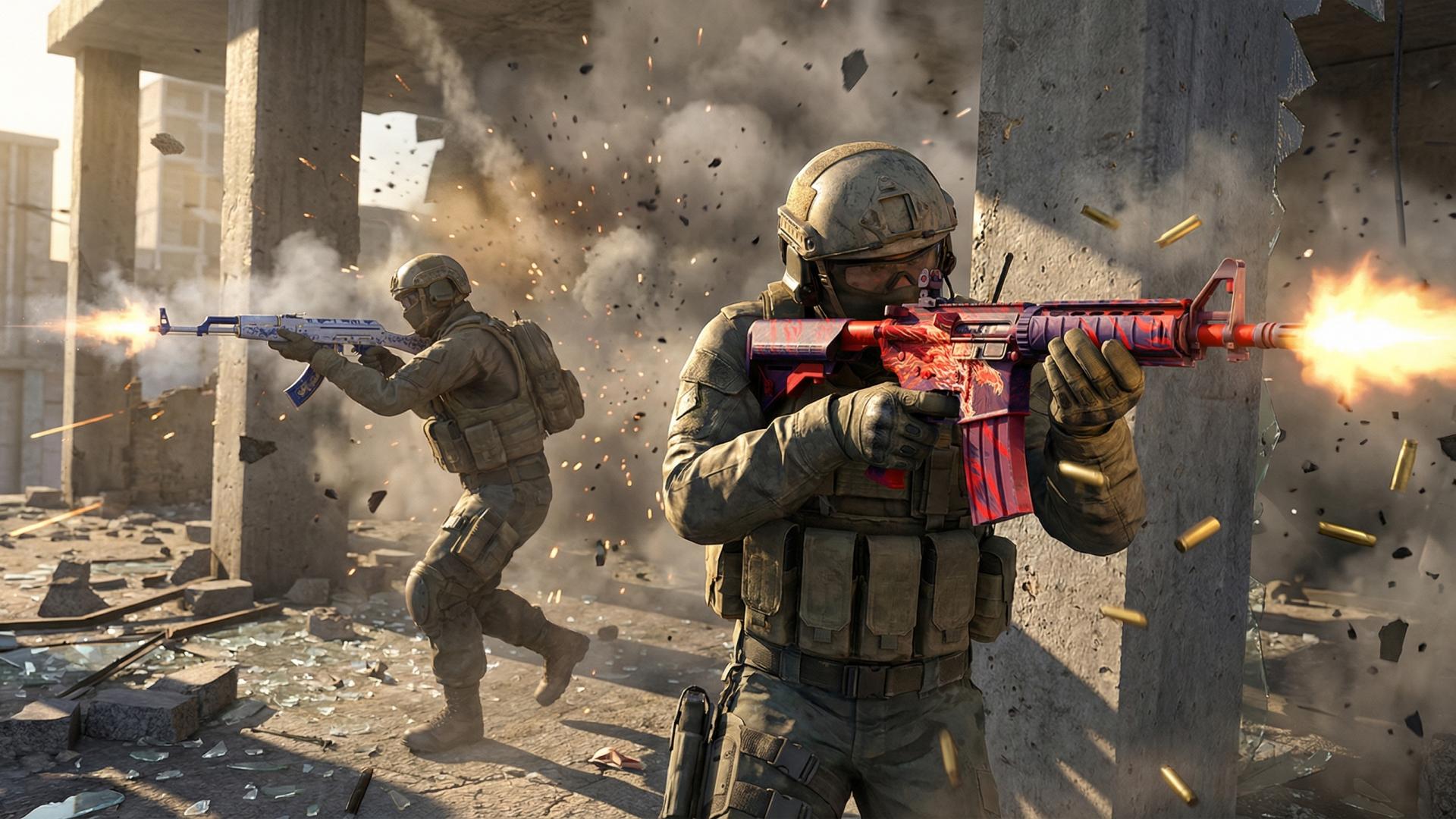
As mentioned, all of these games usually have communities, and they follow all of the big tournaments. Even some of the lesser-popular competitions have fans who watch their every move. This is especially true in places like China and Southeast Asia.
Livestreaming, Co-streaming, and The Creator Economy
The next reason esports are more popular than ever is livestreaming. People who’ve been watching live streams for years remember that Twitch used to be a small platform for creators looking to try something new. Nowadays, the entire esports industry is built around digital broadcasting instead of traditional TV.
The streams allow the competitions to reach international audiences right away. People do not need any television network or expensive conventional distribution agreements.
What’s also interesting is that streaming platforms allow spectators to interact with competitions. This is possible through live chats, subscriptions, donations, polls, clips and social media. All of this makes the esports experience better because it is more interesting.
But how big is the live streaming market? Well, a quick look at games like League of Legends shows that it had around 154 million esports hours watched during the first 4 months of 2026. Generally speaking, League of Legends gets the most viewers, followed by titles like Mobile Legends: Bang Bang, Counter-Strike and VALORANT.
Betting
Let’s face it, the betting industry has a huge influence on esports, even if some people don’t like admitting it. Fans from around the world visit the top Esports bookmakers because they know that these places will allow them to wager on what they like. The leading companies will let people bet on all popular sports and offer competitive odds.
Outside of attracting new fans, betting is also important for the games themselves. Some of the biggest sports betting platforms in the world sponsor different tournaments and teams. This adds a lot of money to the industry, which is really important for its long-term success.
Bookies compete with each other to attract esports fans by offering a wide range of options. Besides betting on the game they like, users will also have access to many different markets and competitive odds. Moreover, there will also be special bonuses for some of the more popular titles.
Mobile Esports and Its Rapid Growth
Another major driving force behind the industry is mobile esports. It was not that popular before, but things have changed, especially in some parts of the world. Mobile esports are extremely popular in places like Southeast Asia, Latin America, India and the Middle East.
Generally speaking. PC and console esports have always dominated the international competitive gaming scene. Some people believe this is still the case, but the numbers don’t lie. Smartphones have dramatically lowered the barrier to entry and this makes mobile esports very popular.
Nowadays, consumers do not need to have an expensive gaming computer and peripherals to play. Instead, all they need is a decent smartphone and a good internet connection.
Going back to another interesting stat from 2026, the M7 World Championship (a popular event for Mobile Legends) actually had over 5.9M peak viewers. This is the most-followed mobile esports event in history, and it shows that mobile esports are no longer a smaller alternative to PC esports. In fact, in some markets, it represents the dominant form of competitive gaming.
Publisher investment and the live-service model
Unlike sports, such as tennis, football and basketball, every major esport belongs to a game publisher. There are a lot of famous companies, such as Riot Games, Valve, Activision Blizzard and Tencent. All of them exercise enormous influence over tournament structures, competitive rules, broadcasting rights, game updates and monetization.
These publishers are fully aware that developing an esport and keeping it relevant is easier said than done. All of them have to be very creative and have a live-service strategy that features new options and keeps the game fresh. This allows these titles to remain visible long after their initial release.
Many of the biggest publishers have actually connected esports to different digital products. This includes options such as cosmetics, character skins, weapon designs, and even tournament passes. This creates a monetization system that is difficult for traditional sports to replicate. After all, these digital products are easy to distribute worldwide.
Closing Thoughts
All in all, esports have a very promising future. There is a perfect storm among fans, publishers, streaming platforms, and betting operators, working hand in hand to promote this industry one way or another. It will be very interesting to see what esports will look like in the future, but one thing is certain: the industry is here to stay.