Modern gaming has changed in ways that might feel subtle at first, but obvious once you actually pay attention. Players don’t just want good games anymore; they want games that respond immediately, reward them quickly and keep momentum flowing without unnecessary friction. If you’re looking for deeper insights into the online casino space, you will notice similar engagement principles appearing across wider digital entertainment, but the shift really starts with gaming itself and how expectations have changed.
Instant feedback is now part of the core experience
There was a time when games could afford slower pacing. You’d complete a level, maybe sit through a loading screen and accept pauses as part of the experience. That’s no longer the case.
Modern players expect:
- Immediate visual confirmation when they act
- Fast UI responses with no delay
- Clear reward signals (XP, loot, upgrades)
- Constant motion, even during small actions
Even something as simple as picking up an item now comes with layered feedback like sound effects, animations, progress bars and even controller vibration. This is all included in its design.
Developers understand that feedback is no longer just informational; it’s emotional. If the game reacts instantly, the player feels more in control. If it hesitates, engagement drops quickly.
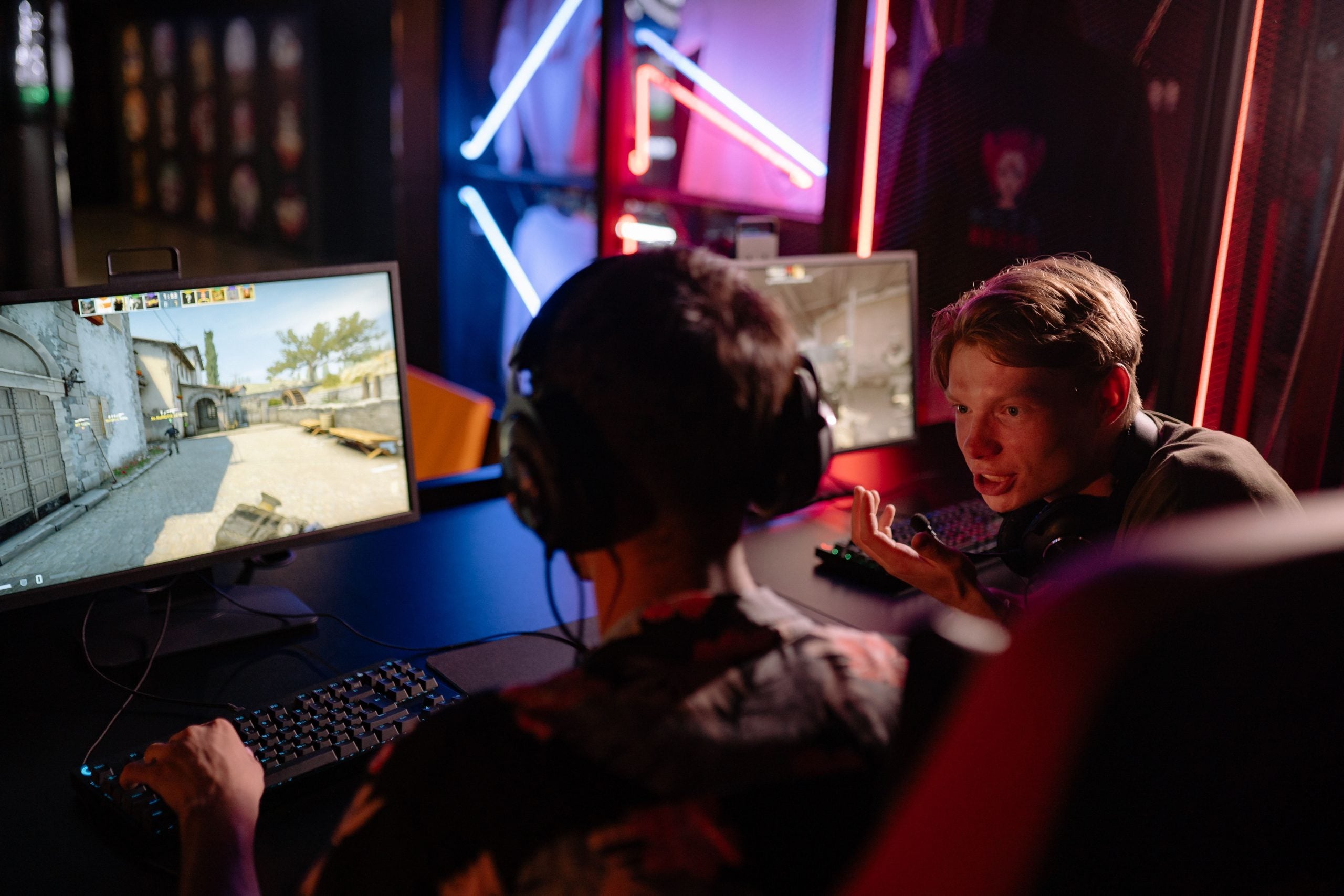
Progression has changed from long-term grind to constant reward
Fast progression doesn’t necessarily mean “easier games.” It means players are rewarded more frequently, even when the overall journey is still long. Instead of waiting hours for a meaningful upgrade, modern games often break progression into smaller layers:
- Micro-level XP gains
- Frequent unlocks (cosmetic, skills, perks)
- Seasonal reward tracks
- Daily or session-based bonuses
It creates a feeling that something is always happening, even during short play sessions. That perception can be more important than speed. The psychology behind it is simple: if progress feels constant, players are more likely to stay engaged. If it feels delayed, they’re more likely to stop playing altogether. Developers have essentially restructured progression into a stream of small wins rather than a handful of big milestones.
Why players now expect speed over complexity
Gaming habits have shifted alongside broader digital behavior. Attention is more fragmented and entertainment options are endless. That doesn’t mean players are less patient in general; it means they’re less patient when it comes to friction inside games.
Data confirms that 28% of the global gaming market is now entirely dominated by casual players who actively choose short and fast gameplay sessions over complex skill mastery. This stat shows a major shift: a large portion of the audience isn’t choosing mastery anymore. They’re chasing momentary satisfaction. Games that deliver quick outcomes naturally fit that behavior better than systems that require deep learning curves or long-term commitment.
There’s also more of a practical reason behind it. Most modern gaming happens in short bursts and rounds on phones, handheld devices or between daily tasks. Players might only have 10-15 minutes, and they want that time to feel rewarding immediately. This is also reflected across other fast-session formats like casino gaming, where short rounds of blackjack or quick spin-based games are designed around instant outcomes and rapid feedback loops, fitting neatly into the same “quick play” mindset.
The role of modern design psychology
Game developers aren’t just reacting to player behavior; they’re actively shaping it through design. A few subtle but powerful techniques are now standard:
- Reduced downtime: Fewer pauses between actions
- Layered rewards: Multiple systems rewarding the same behavior
- Adaptive pacing: Games that speed up or slow down based on engagement
- Visual reinforcement loops: Constant feedback through UI and effects
None of these are obvious on their own, but together they create a consistent sense of momentum.
Even failure is often softened. Instead of harsh penalties, players get partial rewards or quick restarts. That keeps the experience flowing rather than breaking it. The result is a style of gaming where “doing something” always feels better than waiting.
Fast feedback loops and mobile influence
Mobile gaming deserves a mention here because it’s completely reshaped expectations. When games are played in short bursts, every interaction needs to matter immediately.
- Tap a button, something happens
- Complete a match, rewards appear immediately
- Open a menu, transactions are seamless
Console and PC games have increasingly adopted the same philosophy. Even large AAA titles now prioritize responsiveness and reduced friction in core systems. It’s no longer a mobile trend; it’s a universal design expectation.
Why this trend isn’t slowing down
If anything, the demand for instant feedback is increasing. Players are now conditioned to expect it across every game genre, from RPGs to competitive shooters.
And once players get used to constant reinforcement, slower systems feel outdated, even if they’re more complex or traditionally “deeper”.
That’s the interesting tension in modern game design: depth still matters, but it has to be delivered in a way that respects speed.
Modern gamers aren’t rejecting complexity; they’re rejecting delay. As gaming continues to evolve alongside faster digital habits, the challenge for developers isn’t just making games more engaging, but making sure every second of play feels like it matters.