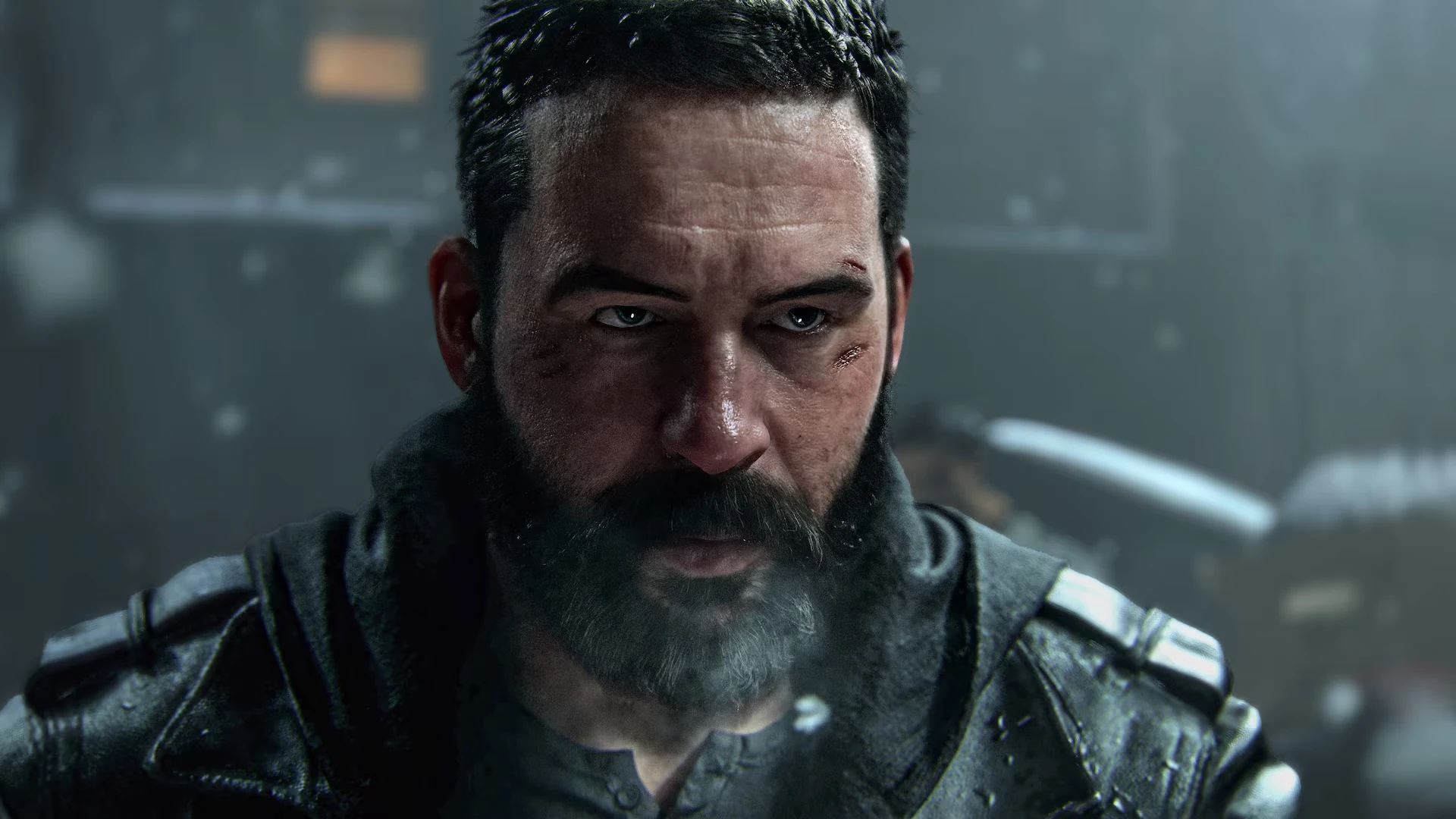
Call of Duty: Modern Warfare 4 delivers the full feature set of the latest Call of Duty engine on Nintendo Switch 2, but its performance comes with some compromises. According to a technical analysis by Digital Foundry, the campaign runs at 30fps, while multiplayer targets 60fps but experiences occasional drops and noticeable input latency.
The release marks the franchise’s return to Nintendo consoles for the first time since Call of Duty: Ghosts arrived on Wii U in 2013. The Switch 2 version also launched alongside the PlayStation and Xbox releases, although its installation size is considerably smaller at 88GB, compared with 120GB on PS5.
Digital Foundry found that the port retains several of the game’s major rendering features, including ray-marched smoke simulation and rasterised global illumination. The campaign is locked to 30fps, which the outlet considered a reasonable choice given its stability, although it suggested that a higher target might have been possible.
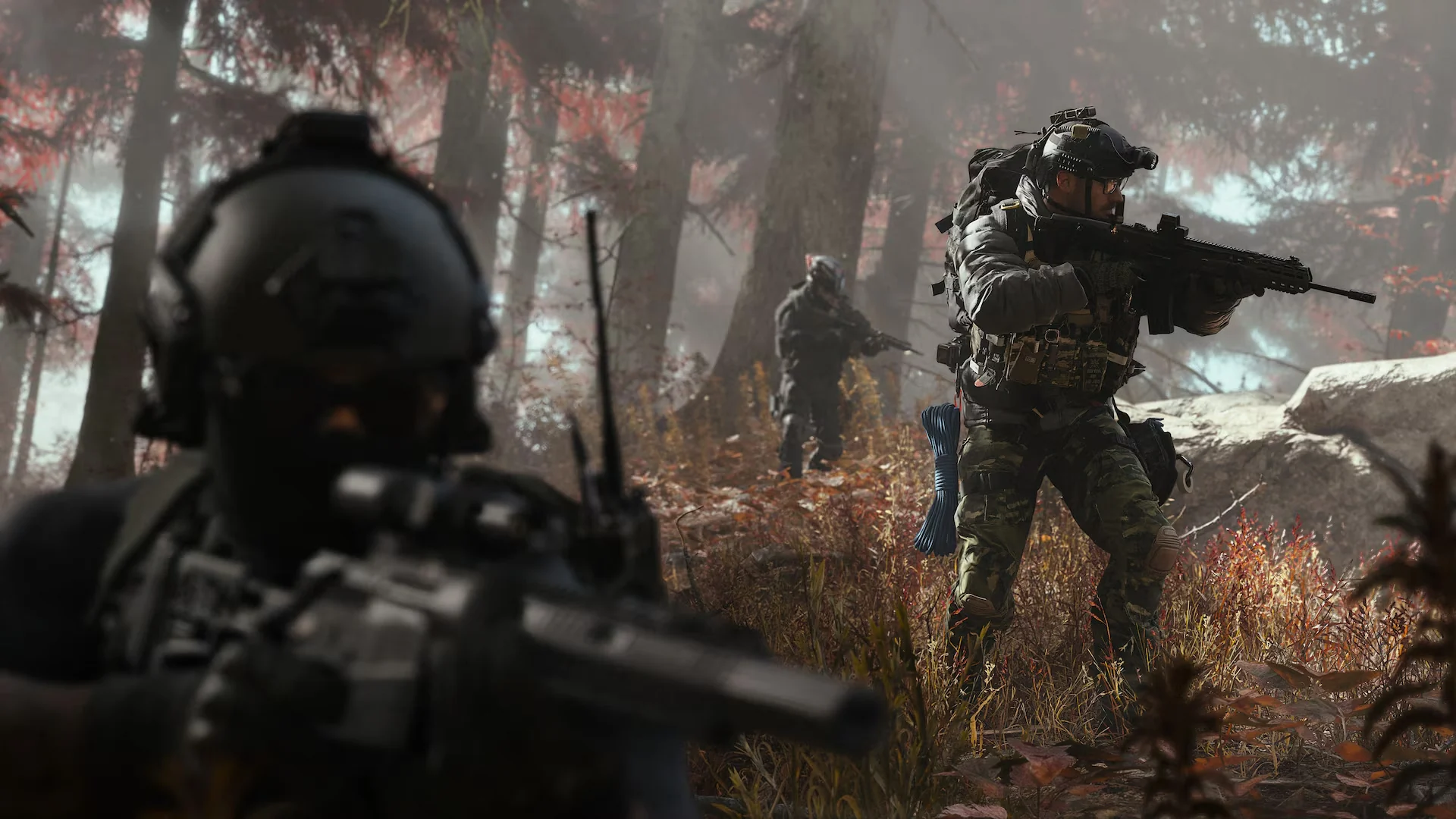
Performance is generally consistent, with the Paris shootout causing the most noticeable problems. Fast driving sequences in particular can produce traversal hitches. Multiplayer takes a different approach, targeting 60fps to keep matches closer to the experience on other platforms. The frame rate mostly holds in 6v6 matches but can fall into the 50s and occasionally the high 40s, particularly around riot shields, heavy smoke effects and crowded areas. Nintendo’s recent VRR support helps make these drops less noticeable.
The DMZ extraction mode has a separate 40fps target when played on a 120Hz display.
Image quality also comes with a choice between SMAA and DLSS. In docked mode, DLSS uses a dynamic resolution of up to 900p, dropping to 450p in the worst cases. SMAA instead targets 1080p. Portable mode runs at a dynamic 720p, with resolution falling as low as 360p during demanding sections.
Digital Foundry preferred DLSS because it handles transparency, particles and movement more effectively, although the resulting image looks softer. The analysis also recommended turning off depth of field, which produces particularly poor results at lower resolutions.
The port retains the same physics, weapon handling, animations and enemy counts found on PS5 and Xbox. However, some graphical features have been reduced. Screen-space reflections have been replaced with cube mapping, while bump mapping is removed when players go prone. Campaign self-shadowing has also been cut, although multiplayer retains the feature to avoid giving players a competitive disadvantage. Shadow quality is close to the lowest PC settings, with reduced grass density and noticeable level-of-detail changes in certain areas.
Responsiveness is a bigger concern. Digital Foundry found that aiming and driving feel considerably harder at 30fps and 40fps than on other consoles. Even in 60fps multiplayer, analogue stick input has noticeable latency, particularly in handheld mode. The outlet couldn’t establish the exact cause, but described the experience as “not one-to-one” with PS5 or Xbox.