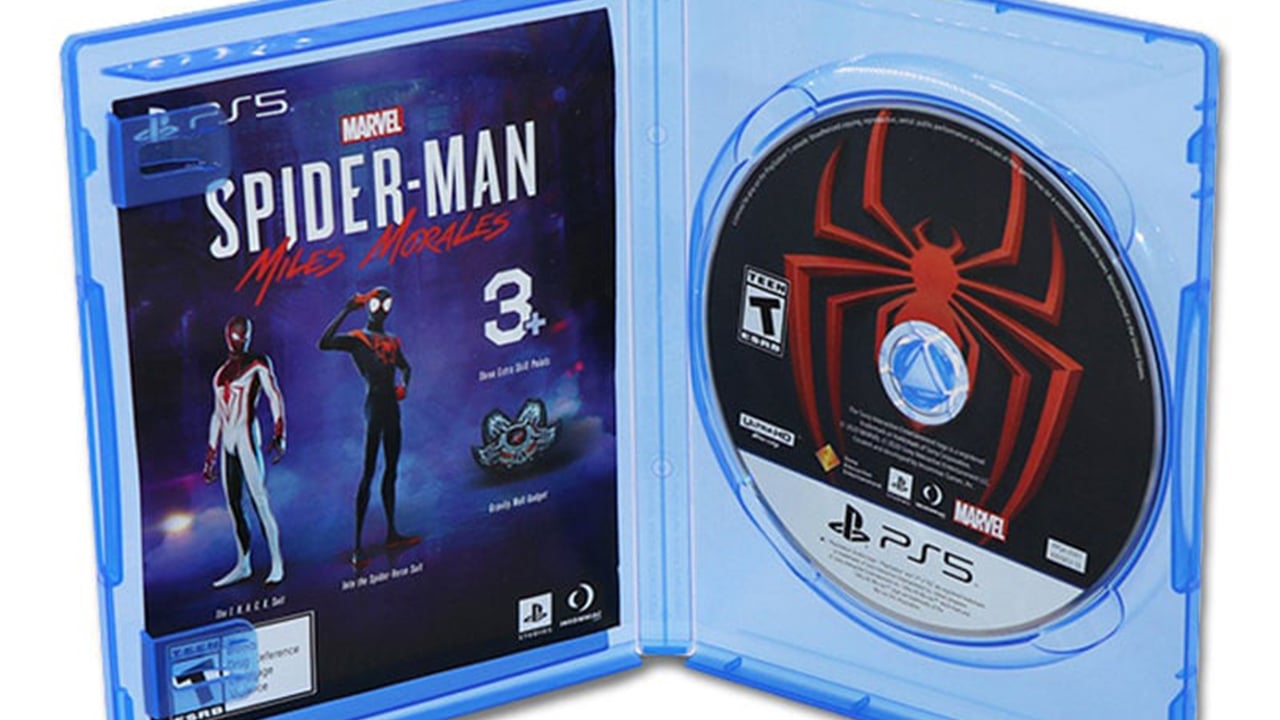
The European Union (EU) consumer protection framework cannot stop PlayStation from exiting t he physical games market.
According to Ireland’s EU Commissioner for Consumer Protection (via Irish Mirror and Knoebelbroet on Twitter/X), Michael McGrath, the EU consumer protection framework cannot prevent PlayStation or other game companies from abandoning the physical games market. His statement suggests that while the EU can enforce consumer rights, it cannot compel publishers to continue selling games on physical discs if they choose to move entirely to digital distribution.
Speaking to reporters at the European Parliament in Strasbourg, Commissioner McGrath clarified that the EU’s powers have limits when it comes to business decisions made by publishers. He said, “It does come down to commercial and contractual freedoms, and companies are free to offer games and services in the manner that they see fit, provided that consumer rights are fully protected in line with national and EU law.”
McGrath also referenced the European Citizens’ Initiative that raised questions about the long-term availability of games. He stated, “At this time, we did have to consider a European citizens initiative on this question of whether games should continue to be available after a new edition of the game has been brought forward.”
The EU Commissioner’s statement is likely to disappoint those who argue that governments should require publishers to maintain access to purchased games, particularly those that rely on online servers. The issue has also attracted political attention. Last month, members of the European Parliament wrote to European Commission President Ursula von der Leyen and Commissioner McGrath, urging the Commission to pursue legislation aimed at preventing publishers from rendering purchased games unplayable by shutting down servers.
However, the European Commission responded that it does not currently have the legal authority to introduce legislation guaranteeing that publishers maintain online services indefinitely. According to the Commission, existing European copyright and intellectual property laws limit its ability to impose such requirements. Instead, the EU plans to work with game publishers on developing a voluntary code of conduct to improve how companies manage the end-of-life process for video games.