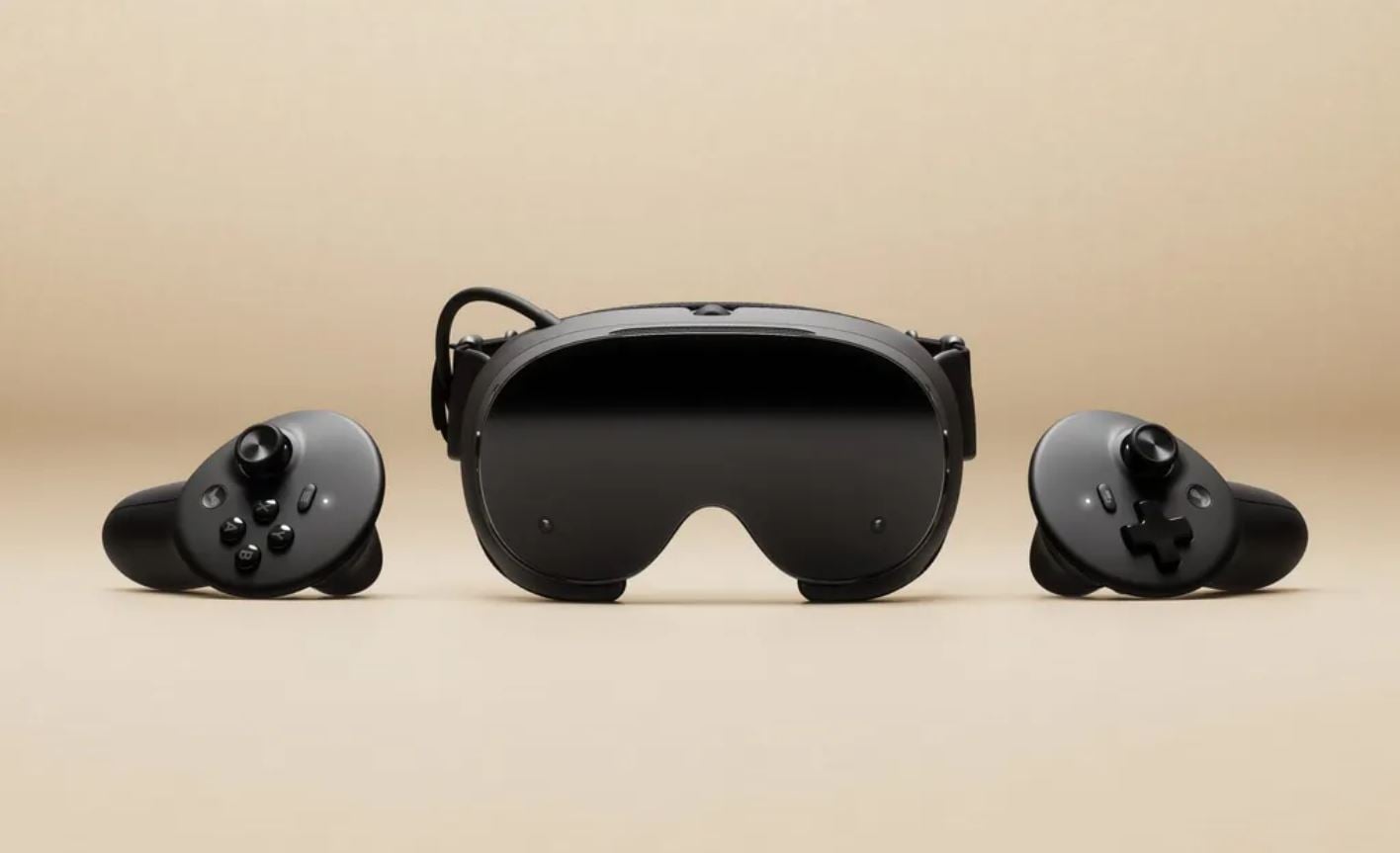
Reviews for Valve Corporation’s Steam Frame indicate that the VR headset brings some great ideas that are held back by price and battery life.
Across the reviews, the Steam Frame is seen as an ambitious attempt to rethink what a VR headset can do. Its ability to function as a standalone gaming device while also streaming games from a PC gives it considerable versatility. Critics also praised its lightweight design, comfortable fit and controllers, which can double as conventional gamepads.
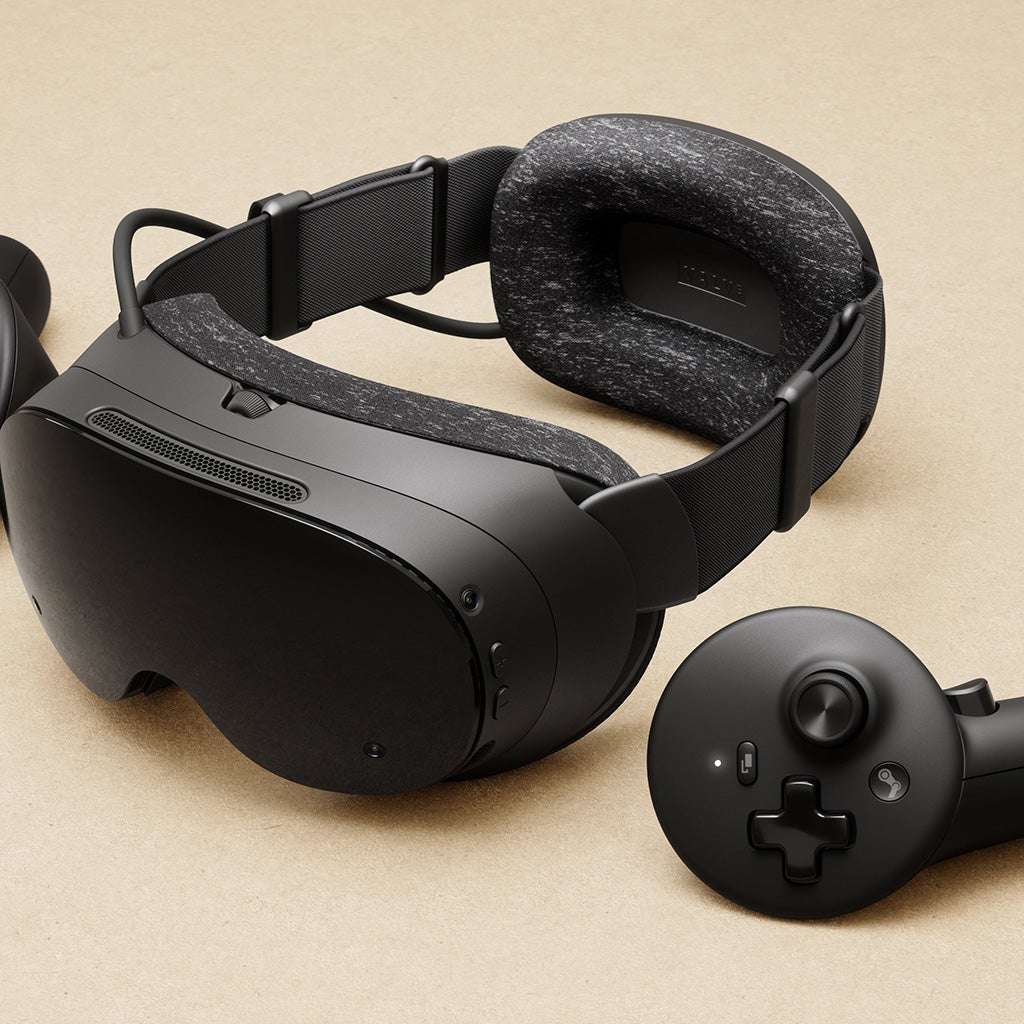
One of the most frequently mentioned advantages is Valve’s approach to PC streaming. The included 6GHz wireless dongle is intended to provide a reliable short-range connection, potentially solving some of the connectivity problems that have traditionally made wireless PC VR frustrating. The headset also avoids requiring a Meta account, something that could appeal to users who prefer greater control over their hardware and software.
However, the Steam Frame’s biggest obstacle appears to be its price. At more than 1,000 US Dollars, and considerably more for higher-capacity configurations, several reviews questioned whether its advantages justify the premium. Some noted that competing headsets such as the Meta Quest 3 offer much of the core VR experience for substantially less money. The upgrade case can therefore be difficult to make for existing VR users, especially those already invested in another headset.
Battery life is another consistent concern across Steam Frame reviews, as the headset can deliver only around 1 to 2 hours of use, depending on the workload. That limitation is particularly problematic for a device marketed as a versatile standalone headset.
Software reliability also stood out as a weakness, with some reviewers encountering crashes, bugs and inconsistencies, while others felt that the product still had an experimental quality rather than the polish expected from a finished consumer device. There were also concerns about performance in demanding standalone games.