Issue #423 of Edge Magazine has been released, and it features reviews for games including Crimson Desert, Marathon, Life is Strange: Reunion, and more.
Generally known for its critical stance on games and its wider use of the 10-point scoring scale, Edge Magazine has developed a reputation for being a harsh critic over the years. In this issue, Marathon stands out with an astounding score of 9, Pokemon Pokopia gets an excellent score of 8, while Crimson Desert receives an average score of 5. To see the accompanied text and full details regarding the verdict for these games, get Edge Magazine issue # 423 by following the link here.
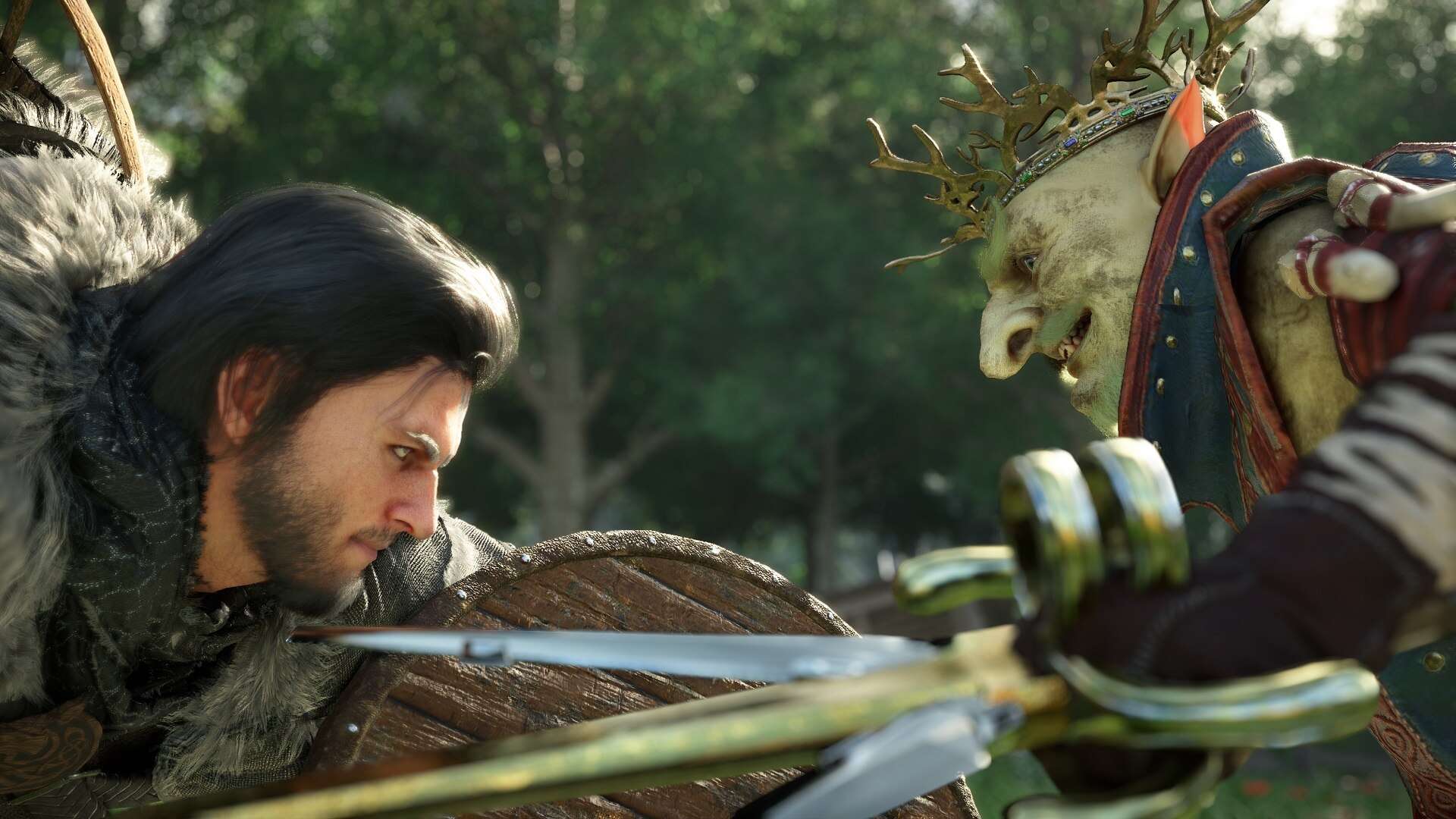
Edge Magazine Issue 423 Review Scores
Review scores from the latest issue of Edge Magazine can be seen below (via the Reset Era forum).
- Crimson Desert – 5
- Marathon – 9
- Life is Strange: Reunion – 5
- Greedfall: The Dying World – 5
- Darwin’s Paradox – 8
- Super Meat Boy 3D – 4
- Screamer – 4
- People of Note – 6
- Pokémon Pokopia – 8
- Nutmeg! – 5
- The House of Hikmah – 3
In its review of Marathon, Edge praises Bungie’s extraction shooter for bringing back a niche subgenre. While it acknowledges a few minor issues, the game is described as one of the most imaginative and refreshing shooters in recent memory, successfully balancing accessibility with the tension that defines extraction-based gameplay.
Meanwhile, Crimson Desert is criticized for its lack of focus. Edge notes that the game constantly introduces new systems and challenges without giving players time to properly engage with its world. This relentless pacing ultimately undermines player investment, as the experience struggles to maintain a clear sense of purpose throughout.
As for Pokemon Pokopia, Edge praises it for accommodating different playstyles, offering both freedom for creative players and enough structure for those who prefer clearer direction. The game is described as consistently engaging and rewarding for both long-time Pokemon fans and newcomers.
Lastly, Edge takes issue with Greedfall: The Dying World’s shallow engagement. Although it presents itself like a traditional RPG, the review suggests it fails to provide meaningful reasons to care about its characters or events, resulting in an experience that feels hollow despite its familiar structure.