Sony Interactive Entertainment makes up to twice as much money per PlayStation digital game sale than physical at retail.
In his new video, Bloomberg investigative journalist Jason Schreier discussed the reason behind Sony Interactive Entertainment’s decision to end physical game discs, despite widespread community backlash. He explained that digital sales are simply far more profitable for PlayStation than physical, as the math proves.
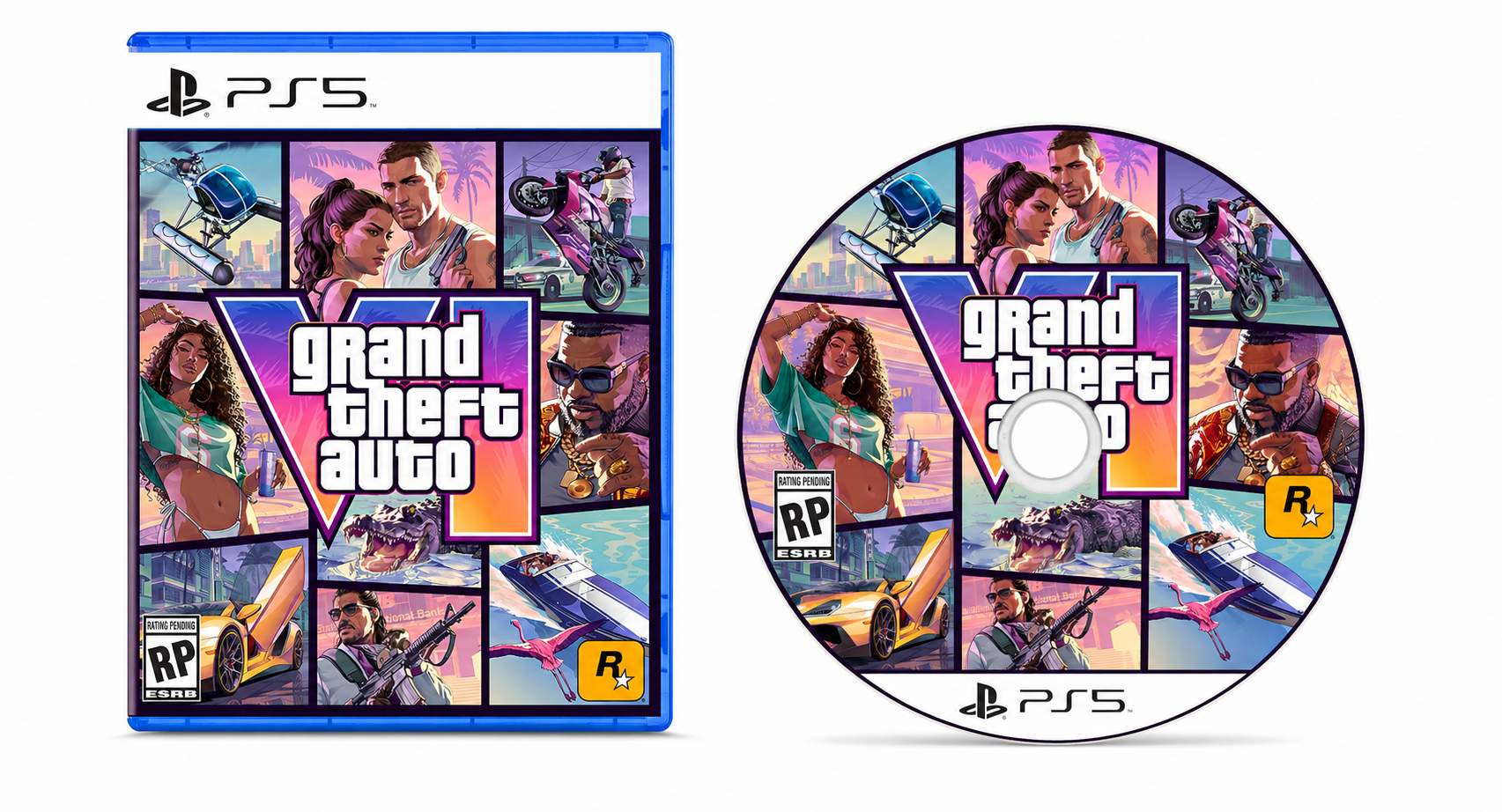
Schreier referred to a 2020 analysis by Dr. Serkan Toto, CEO of Kantan Games, to explain the financial incentives. It’s worth noting that the figures are estimates, as actual agreements may vary, but they illustrate why Sony Interactive Entertainment is aggressively pushing toward an all-digital future. For a 70 US Dollar first-party PlayStation game, the console maker keeps an estimated 45.50 US Dollars from a physical retail sale after retailer margins and manufacturing costs. However, the same game sold digitally through the PlayStation Store allows the company to keep the full 70 US Dollars because it owns the storefront. This is equivalent to about 53.8% more revenue from every digitally sold first-party game than from a physical copy.
The difference is even greater for third-party games. On a physical copy, Sony Interactive Entertainment receives only an estimated 10.50 US Dollar licensing fee. However, a digital PlayStation Store purchase generates a 30% platform commission, worth about 21 US Dollars. In other words, the console maker earns twice as much revenue on every third-party game sold digitally instead on disc at retail.

The investigative journalist explained that the economics are simply too attractive for Sony Interactive Entertainment to ignore. The company previously reported that 80 to 85% of PlayStation software sales are already digital, allowing it to conclude that the additional profit generated by eliminating physical media outweighs the backlash from physical game enthusiasts.
Schreier highlighted that physical games can be bought used, resold, traded with friends, preserved for future generations and borrowed from public libraries. He argued that Sony Interactive Entertainment missed an opportunity to soften the announcement by pairing it with consumer-friendly improvements, such as lower digital prices, expanded ownership protection or digital lending options.