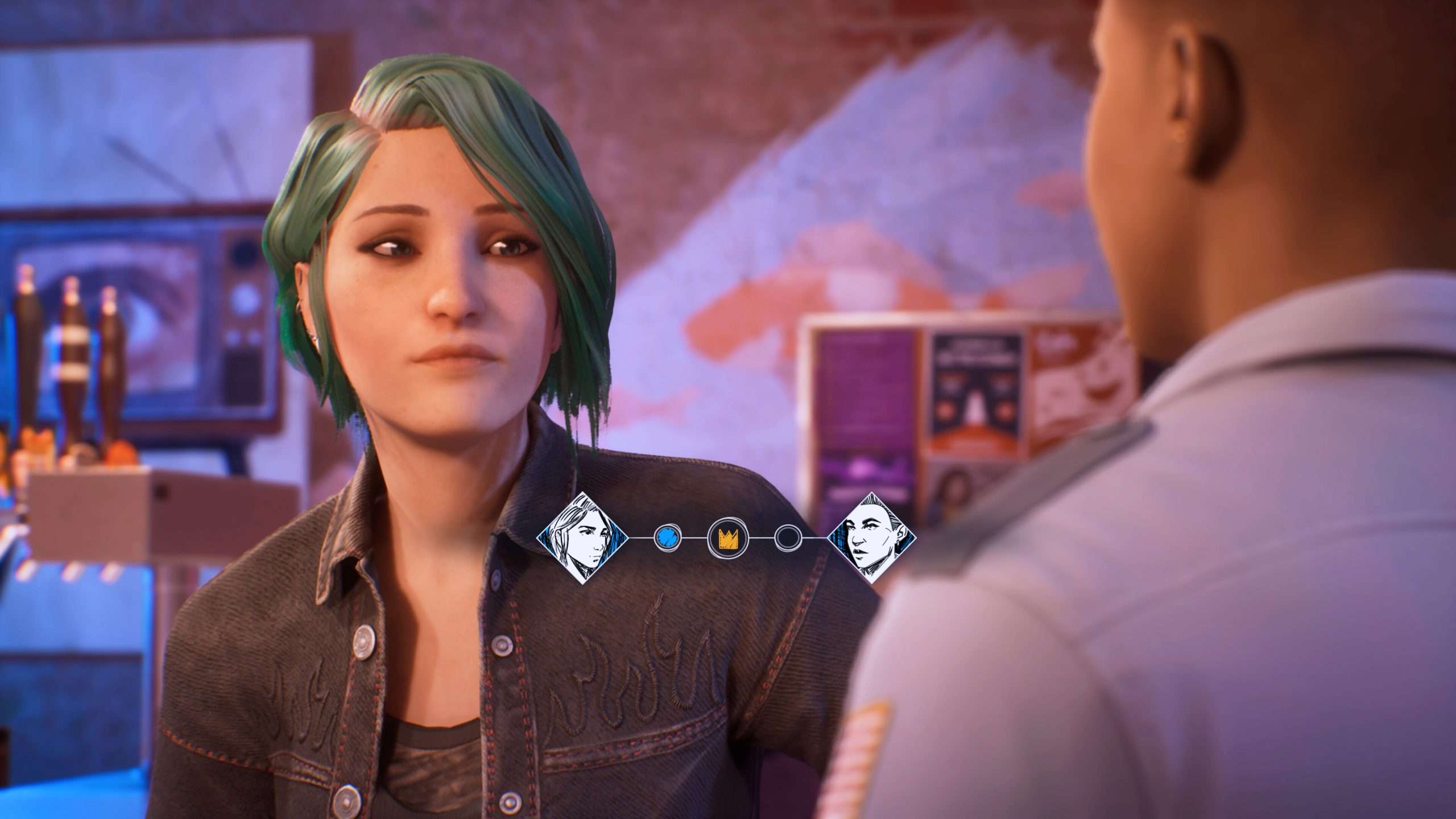
Life is Strange: Reunion co-director Jon Zimmerman has shared extensive behind-the-scenes details about the game’s difficult development cycle, revealing that the project was created during one of the most unstable periods in Deck Nine’s history.
According to Zimmerman, the studio was dealing with layoffs, halted production, shrinking resources, and uncertainty about both future collaborations with Square Enix and the future of the Life is Strange franchise following the underperformance of The Expanse and Life is Strange: Double Exposure.
Despite the situation, Square Enix still had funding reserved for another Life is Strange project, allowing the remaining developers to pitch what would eventually become Reunion. Zimmerman explained that the game’s earliest outline was handwritten while traveling to Colorado shortly after learning about the opportunity.
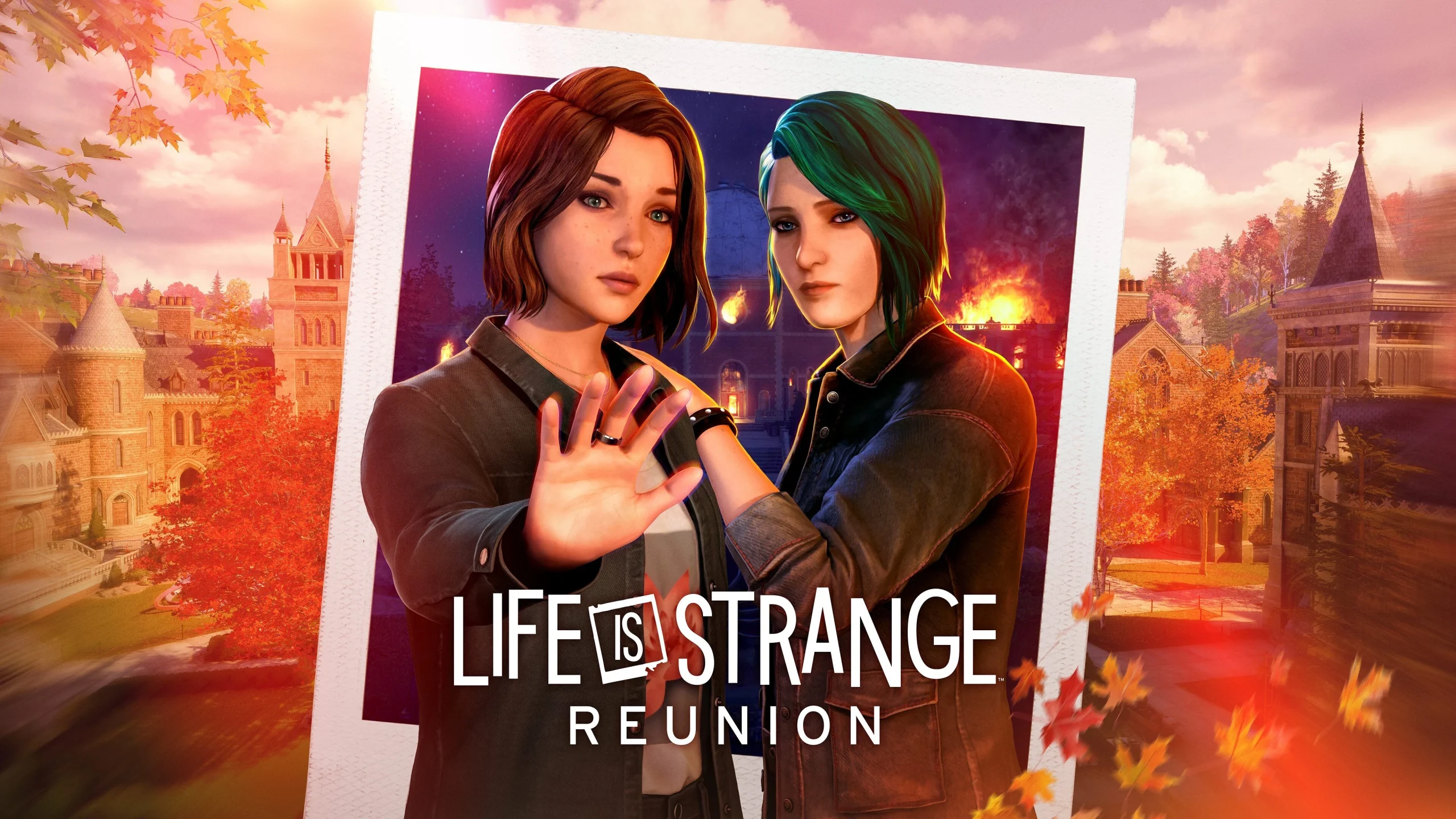
The game was developed by a significantly smaller writing team compared to earlier entries. Zimmerman co-directed the project and wrote roughly half of the script, with the remaining work handled by a Senior Writer who had previously worked on The Expanse.
Zimmerman also detailed how the team aggressively reused existing assets and systems in order to keep development manageable. Characters, environments, and gameplay mechanics from earlier work were repurposed wherever possible, including refinements to Max’s rewind mechanic instead of building entirely new systems.
The project reportedly moved at an unusually fast pace due to severe budget and scheduling limitations. Zimmerman described the workflow as heavily streamlined, with far fewer approval layers and review processes than previous projects. Scripts were handled directly between writers and leadership with consolidated feedback from Square Enix, avoiding the repeated revisions and delays common in narrative-driven productions.
While the reduced oversight created fewer opportunities for iteration and course correction, Zimmerman credited the experienced team structure and simplified pipeline for helping the game ship successfully without forcing destructive crunch on developers.
Zimmerman ultimately referred to Reunion as “a game about miracles” and said the project itself felt like “a miracle,” though he acknowledged that the conditions surrounding its development were likely not sustainable long term.