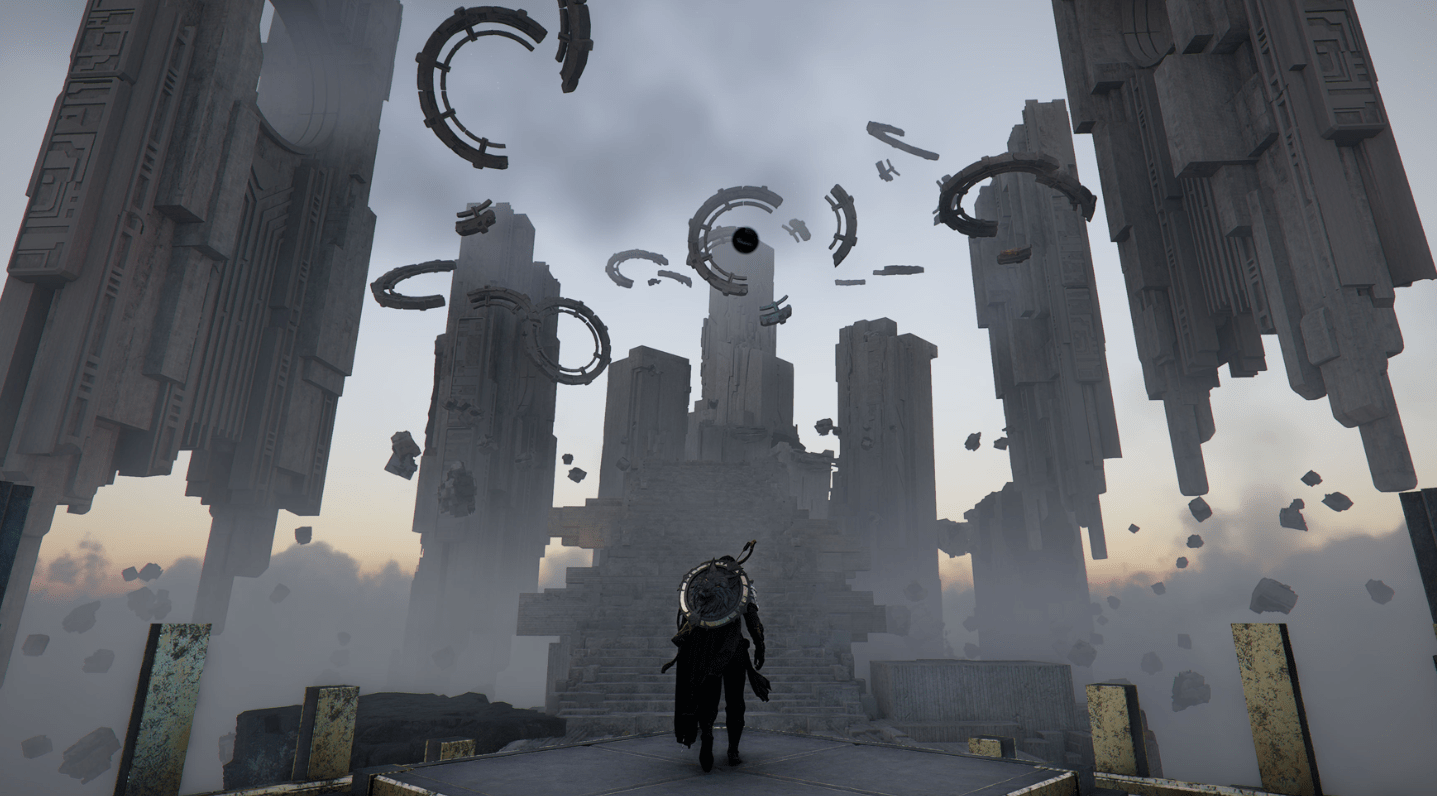
Open world games have evolved from simple exploration based experiences into some of the most ambitious projects in the gaming industry. Developers have spent decades expanding player freedom, building larger worlds, and creating more immersive environments that feel alive in ways older games never could.
Open world gaming has become one of the defining pillars of the modern industry. Whether players are exploring fantasy kingdoms, massive cities, or post apocalyptic wastelands, the appeal often comes from the freedom to create personal adventures instead of following a strictly linear path. The popularity of the genre has also influenced wider gaming trends, from multiplayer design to mobile gaming and even uk slots, which increasingly borrow progression systems and reward mechanics inspired by modern video games.
The Early Days of Open World Exploration
The concept of open world gaming existed long before modern hardware made giant maps possible. Early titles in the 1980s and 1990s experimented with player freedom in ways that felt revolutionary for their time. Games such as Elite and The Legend of Zelda encouraged exploration rather than forcing players down a strict linear path.
As technology improved, developers began creating larger environments with more interactive elements. Grand Theft Auto III became one of the most important turning points for the genre in 2001. Instead of isolated levels, players were dropped into a living city where missions could be approached at their own pace. The freedom to explore Liberty City completely changed expectations for what video games could offer.
Other developers quickly followed this formula. Franchises such as The Elder Scrolls and Far Cry expanded the idea further by giving players massive maps filled with side quests, hidden secrets, and environmental storytelling. Open worlds were no longer just technical showcases. They became immersive spaces designed to reward curiosity and experimentation.

During this era, map size became a major selling point. Bigger worlds often meant more content, and players were fascinated by the ability to spend hundreds of hours inside a single game. Exploration became one of gaming’s biggest attractions.
The Rise of Cinematic and Interactive Worlds
As hardware power increased during the PlayStation 3 and Xbox 360 era, open world games evolved beyond simple exploration. Developers started focusing heavily on storytelling, character development, and realistic world design.
Rockstar Games pushed the genre forward with titles like Red Dead Redemption and Grand Theft Auto V. These games featured detailed NPC routines, realistic physics, and dynamic events that made worlds feel alive even when players ignored the main story. Cities and landscapes became believable environments rather than static backdrops.
At the same time, studios such as Ubisoft popularized formula driven open worlds packed with towers, collectibles, and map markers. While some players enjoyed the endless content, others criticized the repetitive structure that many games began to copy. This led to growing discussions about open world fatigue within the gaming community.
Despite these criticisms, developers continued improving immersion. Weather systems, wildlife behavior, day and night cycles, and advanced AI all helped make virtual worlds feel more authentic. The Witcher 3 demonstrated how meaningful side quests and strong writing could elevate open world storytelling to a new level.
Player choice also became increasingly important. Games allowed players to shape narratives through decisions, faction alliances, and different gameplay styles. Open world design was no longer only about freedom of movement. It became about freedom of experience.
Modern Open Worlds and the Future of the Genre
Today’s open world games focus less on pure scale and more on density and interactivity. While enormous maps still exist, many developers now prioritize handcrafted content and meaningful activities over endless empty terrain.
Games like Elden Ring proved that players still enjoy discovery when developers trust them to explore naturally without excessive guidance. Instead of filling maps with icons, modern design trends often encourage organic exploration and environmental clues. This creates a stronger sense of adventure and mystery.
Advancements in technology are also reshaping the genre. Faster SSD storage allows for seamless world streaming with minimal loading screens. Artificial intelligence systems make NPC behavior more believable, while procedural generation helps developers create larger and more dynamic environments.
Multiplayer integration has become another major trend. Open worlds are increasingly designed around shared experiences, live events, and evolving online ecosystems. Titles like Fortnite and GTA Online continue to blur the line between traditional games and persistent virtual spaces.
Looking ahead, virtual reality and AI driven storytelling could dramatically change how players interact with open worlds. Future games may feature NPCs capable of dynamic conversations and personalized narratives that react naturally to player behavior. The genre continues to evolve alongside technology, ensuring that open world gaming remains one of the most influential forces in the industry.