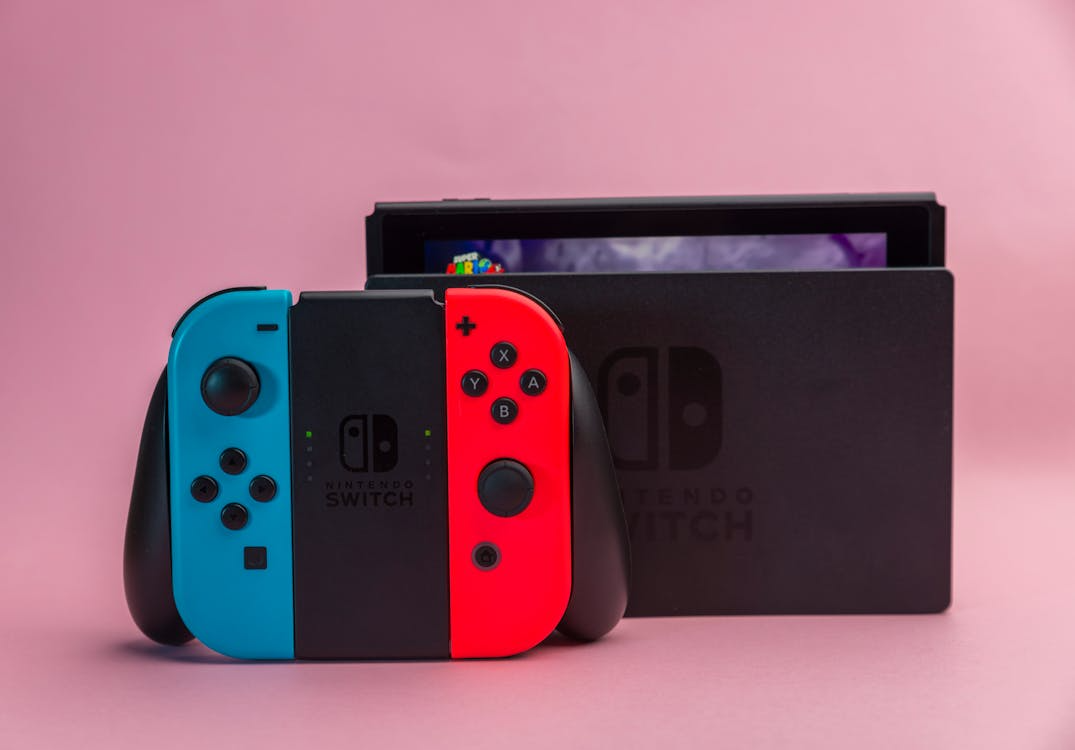
With the Switch 2 having been on the market for nearly a year, the conversation has naturally centered on the “big” tech leaps, the ray-tracing capabilities in Pokémon Champions, or the massive open-world rendering of the latest Metroid titles. But for those of us who grew up in the early days of the internet, there is a certain charm in seeing how this powerhouse handles the “old school.” The Switch 2 features a significantly upgraded internal architecture, and while it isn’t marketed as a multimedia device, it has become a surprisingly capable machine for legacy web-based gaming and digital hubs.
The Mystery of the “Hidden” Browser
Despite the jump in processing power, Nintendo has maintained its strict “gaming-first” philosophy. To the frustration of some, there is still no official, user-facing web browser app on the home screen. Instead, we are still working with a “Web Applet” designed primarily for captive portals and account linking. However, the community has quickly found that the old “DNS workaround” (setting your primary DNS to 045.055.142.122) works more efficiently than ever on this new hardware.
The first thing you’ll notice is that the experience is much snappier. This isn’t just about internet speed; it’s about how the new Tegra-based chipset allocates resources to the browser applet. On the original Switch, the browser felt like an afterthought that would crash if a page had too many assets. On the Switch 2, the expanded RAM management allows for much more complex HTML5 execution, making it a viable way to revisit the interactive history of the web.
Hardware Testing: Adjusting for Legacy Assets
The Switch 2 might be a beast for 4K-ready modern games, but it can be surprisingly finicky with the low-resolution charm of the old-school web. We did some digging into how the hardware handles older layouts, and it’s clear that Nintendo’s default upscaling is tuned for modern video content rather than static text and 2D assets.
This becomes particularly apparent when visiting heritage platforms like Gaming Club, a site that has been a consistent part of the online landscape since 1994. On a high-definition 1080p or 4K display, legacy interfaces can sometimes appear “soft” or smeared due to the console’s post-processing. To get the best look, we recommend viewing these sites while docked. The Switch 2’s improved docked output provides a much crisper rendition of classic UI elements, ensuring that the text remains legible and the colors pop, rather than being blurred by the handheld’s native downscaling filters.
Managing Stability and Multi-Tasking
Stability is everything when you’re messing with older web games or deep-diving into archives. Most modern browsers have an aggressive habit of “tab discarding,” which kills your page the second you open another app to save memory. While the Switch 2 doesn’t allow for true PC-style multitasking, its “suspend” state is significantly more robust than its predecessor.
In our testing, we were able to leave a browser session active, jump over to the home menu to check a digital map for the upcoming Resident Evil Requiem, and return to the web applet without the page forcing a refresh. It’s a small, technical victory, but for anyone who has ever lost progress on a browser-based RPG because they dared to check their friend list, it’s a massive quality-of-life improvement. This level of memory retention makes the console feel less like a locked-down handheld and more like a dedicated portal to the digital past.
Why Legacy Gaming Matters in 2026
While the 60 FPS and 4K arms race dominates modern headlines, the longevity of digital spaces offers a unique perspective on how far the industry has come. Even as new titles like REANIMAL undergo post-launch patching, legacy web platforms remain remarkably consistent, and leveraging the Switch 2’s improved architecture and Joy-Con 2 haptics via DNS-tweaking provides a premium bridge to these eras. Ultimately, the Switch 2 is a powerhouse built for the future, but it also serves as a top-tier portal for revisiting and enjoying the internet’s past.