Valve Corporation finds its new console-sized living room PC, the Steam Machine, to be a success, according to a new report.
In his recent video, Bloomberg‘s investigative journalist Jason Schreier discussed Valve Corporation’s 14-year journey towards making the Steam Machine. He explained that the company measures the device’s success very differently from traditional gaming hardware manufacturers like Sony and Microsoft.
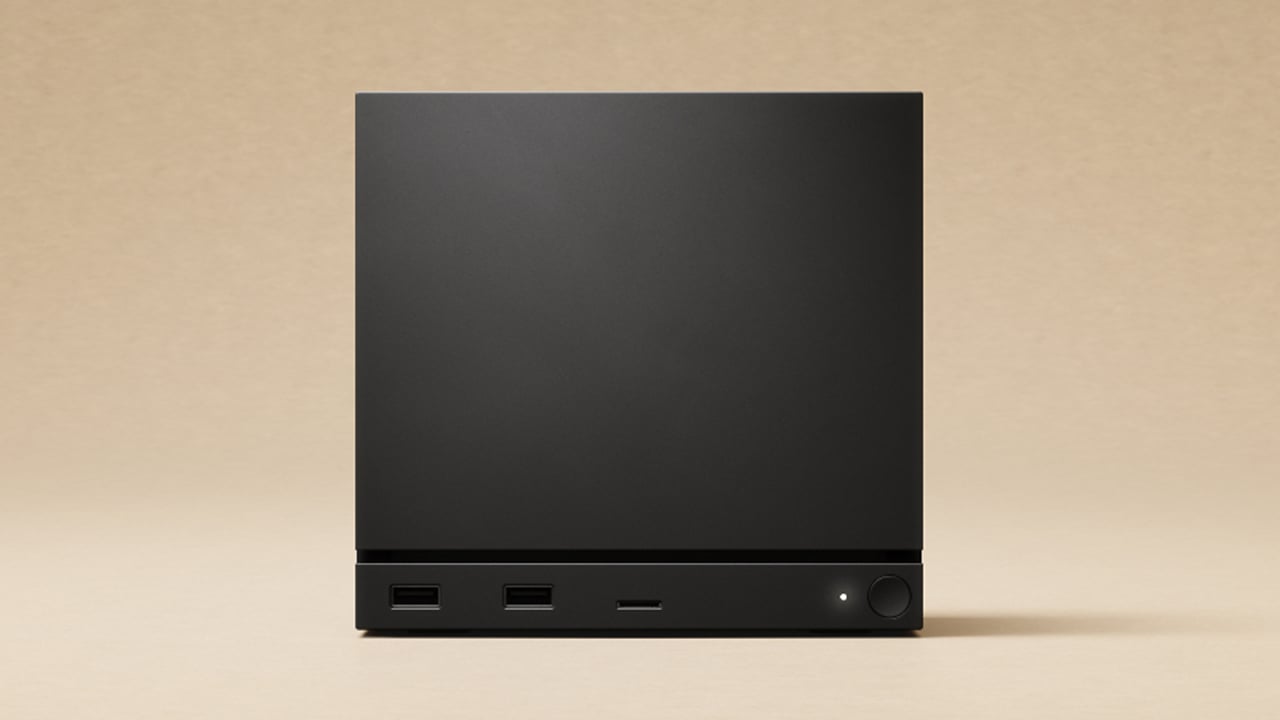
Rising costs for memory, storage, and graphics components forced Valve to delay production and increase the retail price well beyond its original target, with a starting price exceeding 1,000 US Dollars. Nevertheless, Schreier noted that every unit produced has continued to sell out, even with the premium pricing. According to him, Valve never intended for the system to compete directly with the PlayStation or Xbox in terms of unit sales. Instead, he argued that the company’s objective is to strengthen its PC ecosystem and expand SteamOS across multiple types of hardware. “I think they actually do see this thing as a success,” he said.
Schreier mentioned that the Steam Machine represents the culmination of a project that dates back to 2012. At the time, Valve was concerned about Microsoft’s increasingly closed Windows ecosystem and began exploring a Linux-based alternative through initiatives such as SteamOS and the original Steam Machines that launched in 2015.
Those first Steam Machines ultimately failed to gain traction. Valve partnered with third-party manufacturers instead of building its own hardware, resulting in a range of specs, confusing branding, and pricing that varied significantly between models. Plus, Linux compatibility was still in its infancy, leaving many Steam games unable to run properly on the platform.

Rather than abandoning the concept entirely, Valve invested years into developing Proton. Schreier explained that this compatibility layer eventually became mature enough to power the Steam Deck, which launched in 2022. The handheld’s success convinced the company that SteamOS was finally ready to return to the living room. Valve engineers told Schreier that work on the new Steam Machine accelerated after the Steam Deck OLED launched.
Unlike console makers, Valve chose not to subsidize the hardware. Schreier said the company wants other manufacturers to build their own SteamOS-powered gaming PCs rather than dominate the market with a single first-party device. The company’s long-term strategy is focused on growing its digital platform rather than locking players into proprietary hardware. Keeping in line with this philosophy, Valve told Schreier that it never considered making a new Half-Life game exclusive to the Steam Machine, as exclusivity doesn’t aligns with its goals.