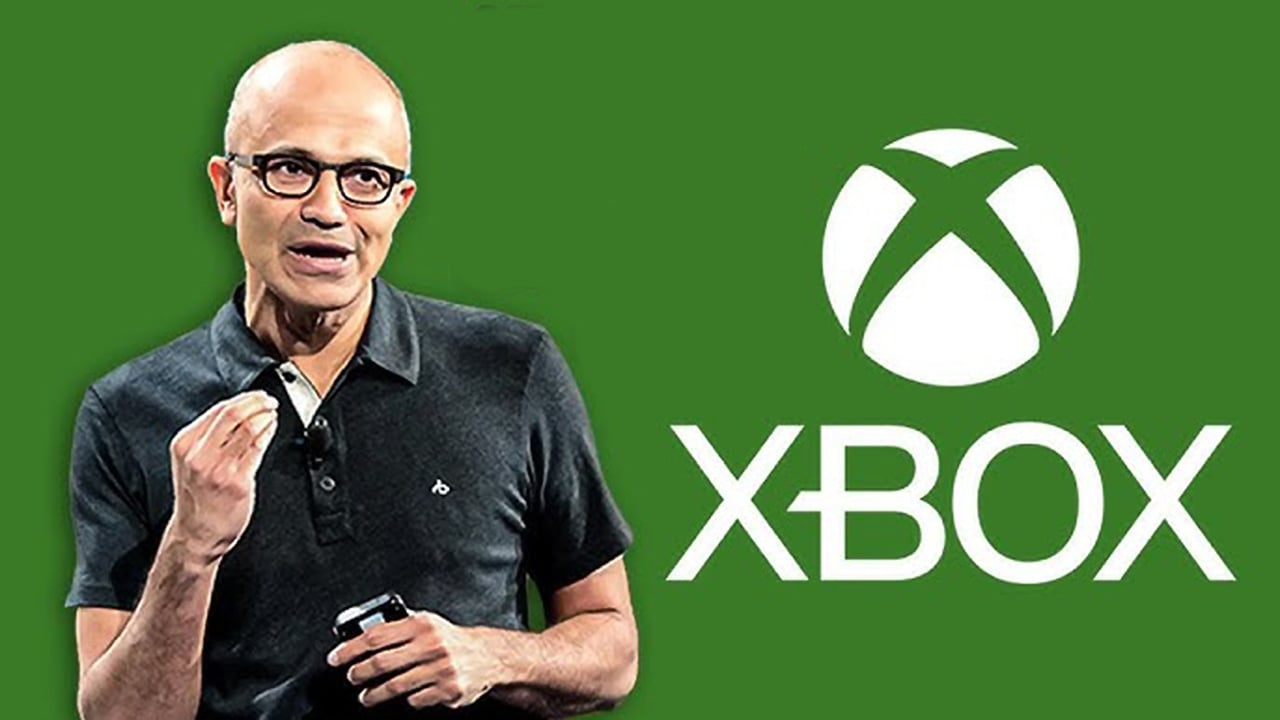
Xbox games are being monetized more on YouTube than at Microsoft, according to the company’s CEO, Satya Nadella.
During a recent interview with Hard Fork, Microsoft CEO Satya Nadella was asked about his strategy for Xbox, and about the recent memo from leaders of the division stating that the platform will soon receive a hard reset involving a new business model. In response, he acknowledged that Xbox is at a crossroads.
Nadella talked about the platform’s 25-year history and the software giant’s long-standing involvement in the games business. He noted that gaming has been part of Microsoft’s identity even longer than some of its flagship products, pointing to the original Flight Simulator as one of the company’s earliest software projects. Despite this legacy and decades of investment, Microsoft is looking for ways to ensure the gaming business becomes economically sustainable.
According to the Microsoft CEO, the company has spent years supporting and growing the platform, but has not always captured a proportional share of the revenue generated by its entertainment offerings. “The challenge we have is we’re not the ones monetizing that entertainment,” he said. “In fact, if anything we’ve been subsidizing that entertainment. In fact, there’s more monetization of Xbox games happening on YouTube than at Microsoft.”

While the ecosystem involving creators earning ad revenue and building audiences around gameplay videos, guides, and livestreams helps promote games and expand their reach, Nadella wants to find better ways to translate player engagement into sustainable business results for Xbox itself.
The CEO clarified that Microsoft is not interested in pursuing changes that feel unnatural to players. Instead, the company wants to focus on its core mission of creating great games and compelling hardware while ensuring that the business remains financially viable. He also pointed to wider industry pressures, including rising component costs driven by demand for cloud computing and artificial intelligence technologies. Semiconductor and memory shortages have increased costs across consumer electronics, affecting PCs, smartphones, and game consoles alike.