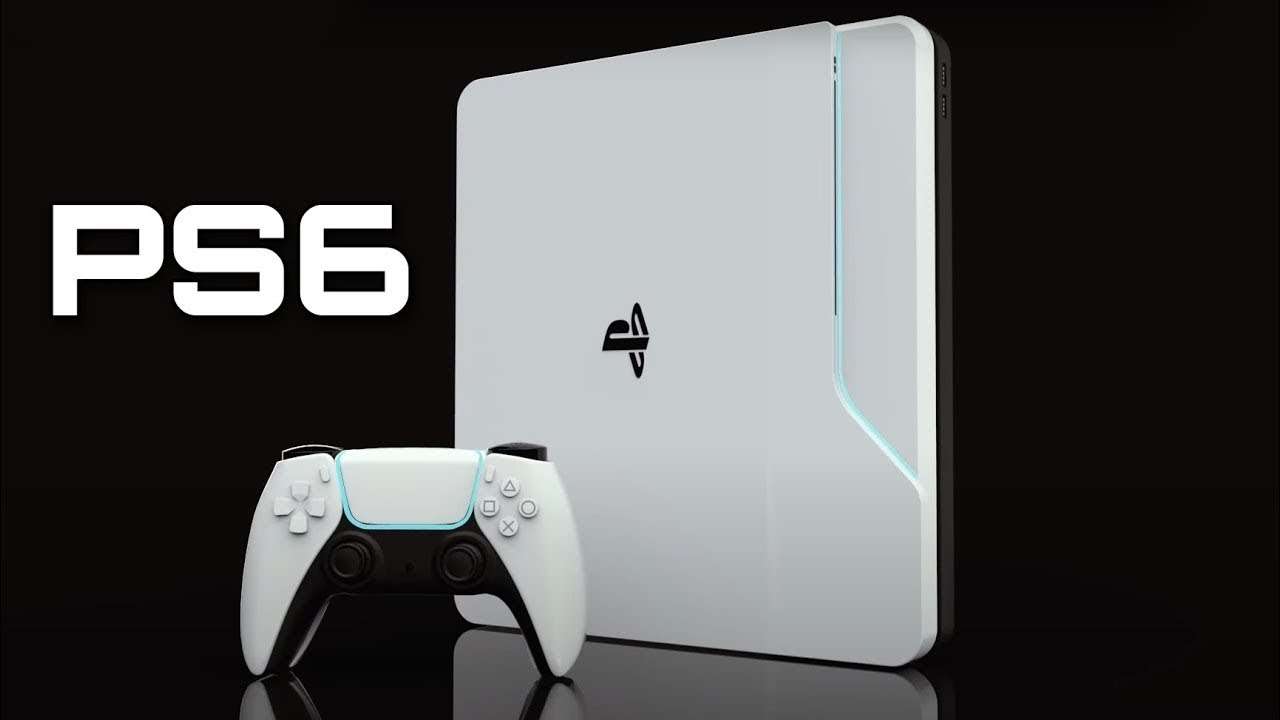
The PS6 will bring a 10x ray tracing improvement over the PS5, delivering between 3x to 4.5x gains in performance, it is claimed.
An analysis from known hardware insider KeplerL2 on the NeoGAF forums indicates that the rumored 10x leap in ray tracing capability of Sony Interactive Entertainment’s next-gen console won’t translate into equally dramatic real-world performance gains. Instead, players can expect an improvement of more than 3x over the base PS5, depending on how heavily a game relies on ray tracing or path tracing.
Using performance data from Assassin’s Creed Shadows as a baseline, KeplerL2 broke down how such gains may influence performance. Ray tracing tasks such as screen space tracing, world space tracing, lighting, and denoising collectively take about 5 ms of frame time on the PS5 at a native resolution of 1440p. Applying a theoretical 10x ray tracing boost, alongside a 3x raster/compute performance boost, reduces the workload to roughly 1.35 ms.
However, the insider pointed out that the bulk of a frame’s workload, traditional rasterization, compute tasks, and other systems, still dominates performance. In the same example, these non-ray tracing processes are estimated to consume around 25 ms on PS5. Even with a 3x improvement, this allegedly drops to about 8.33 ms on the PS6 hardware. The result is a net frame time reduction from roughly 30ms (~33 fps) on PS5 to about 9.68ms (~103 fps) on PS6. This equates to a 3.1x overall performance gain, which is far short of the 10x ray tracing improvement.
KeplerL2 noted that games with heavier ray tracing or full path tracing will benefit more significantly. Even then, however, raster and compute workloads typically still account for over half of the total frame time, preventing RT gains from scaling linearly into frame rate increases.
The estimate also highlights the ray tracing performance gap between consoles and the RTX 4080, a generation old NVIDIA GPU that leads even the PS6 throughput.