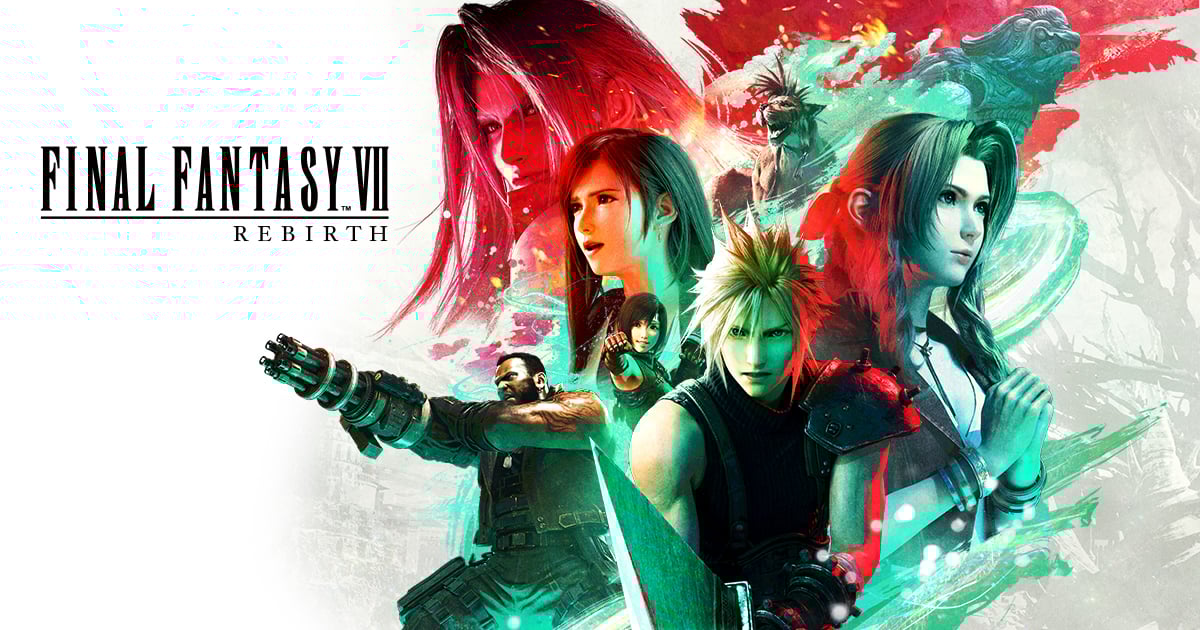
A new technical comparison of Final Fantasy VII Rebirth has offered a closer look at how the game performs across Switch 2, PlayStation 5, and Xbox Series S.
The analysis, shared by Digital Foundry, examines how the ambitious open-world RPG scales across different hardware. While the Switch 2 version operates with clear compromises, the report notes that the core structure of the game remains intact. Environmental geometry, physics systems, and large-scale world design are preserved, even as certain visual elements are reduced in quality. Ambient occlusion and screen space reflections are still present, though at lower fidelity, while distant animations such as waterfalls and ships continue to function convincingly.
There are, however, more noticeable reductions in texture quality and shadow rendering. The analysis describes textures as “mushy” and pixelated, with shortened shadow draw distances causing visible artifacts. Some environmental details have also been simplified, including static foliage in areas like Kalm and reduced interior clutter.
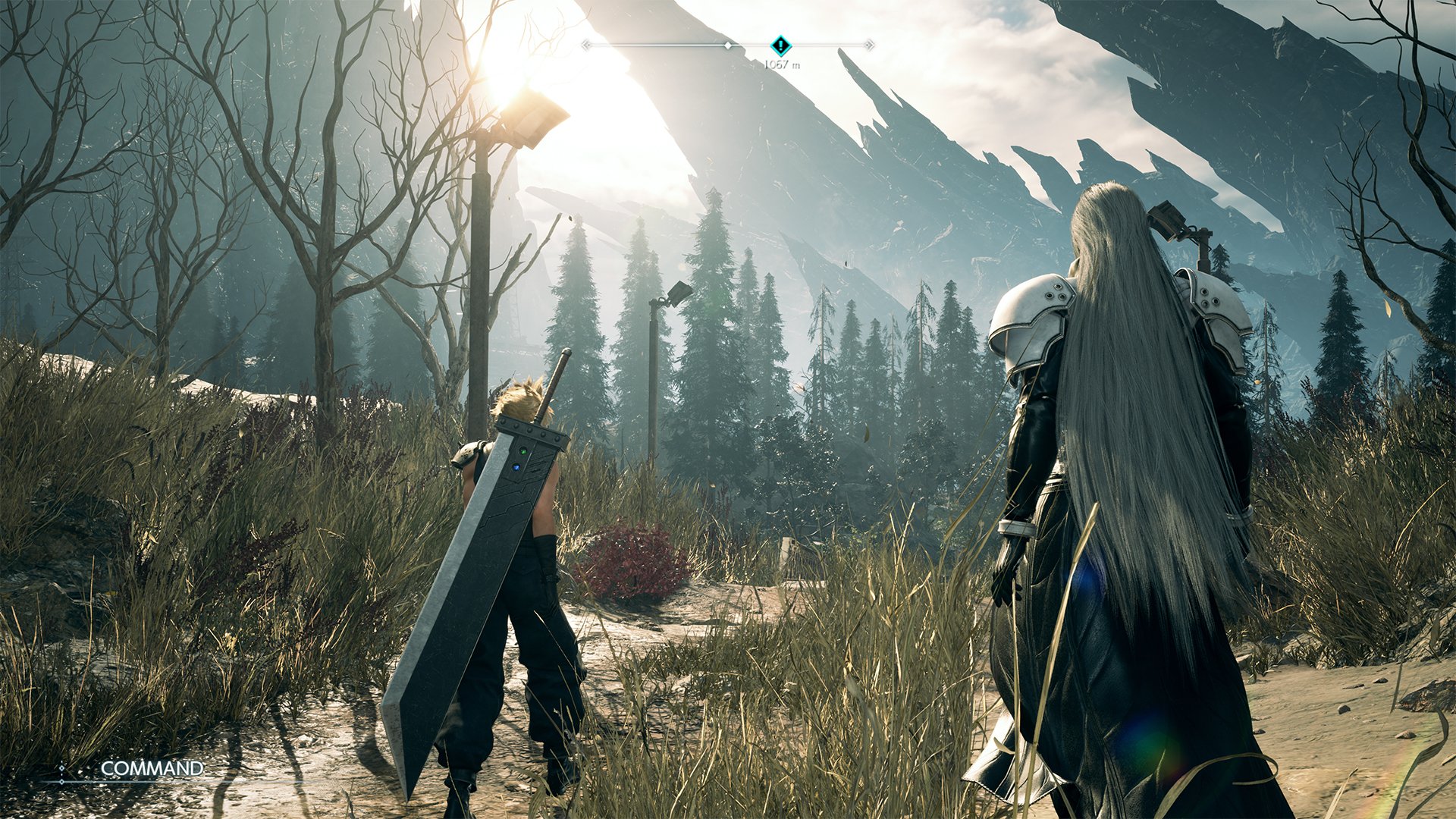
Director Naoki Hamaguchi explained that adapting the game required extensive reworking rather than simple scaling. He noted that redesigned level of detail systems and material adjustments were necessary, calling the effort a “do or die” factor for making the port viable on the hardware.
Resolution and image quality vary depending on play mode. On Switch 2, the game uses dynamic resolution scaling alongside DLSS reconstruction, targeting 1080p in docked mode but dropping as low as 540p. Portable mode aims for 756p, with a lower bound of 380p. While DLSS helps maintain clarity, it struggles with finer details, leading to visible dithering on elements such as hair and feathers.
Performance on Switch 2 targets 30 FPS, though occasional hitches and brief frame pacing issues appear in denser areas. These are believed to be tied to asset streaming rather than raw GPU limitations. Despite this, the version is described as a stable and playable adaptation of a current-generation title on mobile hardware.
The Xbox Series S version shares some of the same limitations due to memory constraints, including lower-quality textures and simplified environmental elements. However, it benefits from stronger CPU performance, allowing for more consistent animation at a distance and improved water effects. Its 30 FPS graphics mode remains stable, while the 60 FPS performance mode introduces resolution drops and visible stuttering.
Overall, the comparison highlights the challenges of scaling a large-scale modern RPG across varying hardware capabilities, while suggesting that the Switch 2 version manages to retain much of the original experience despite technical trade-offs.