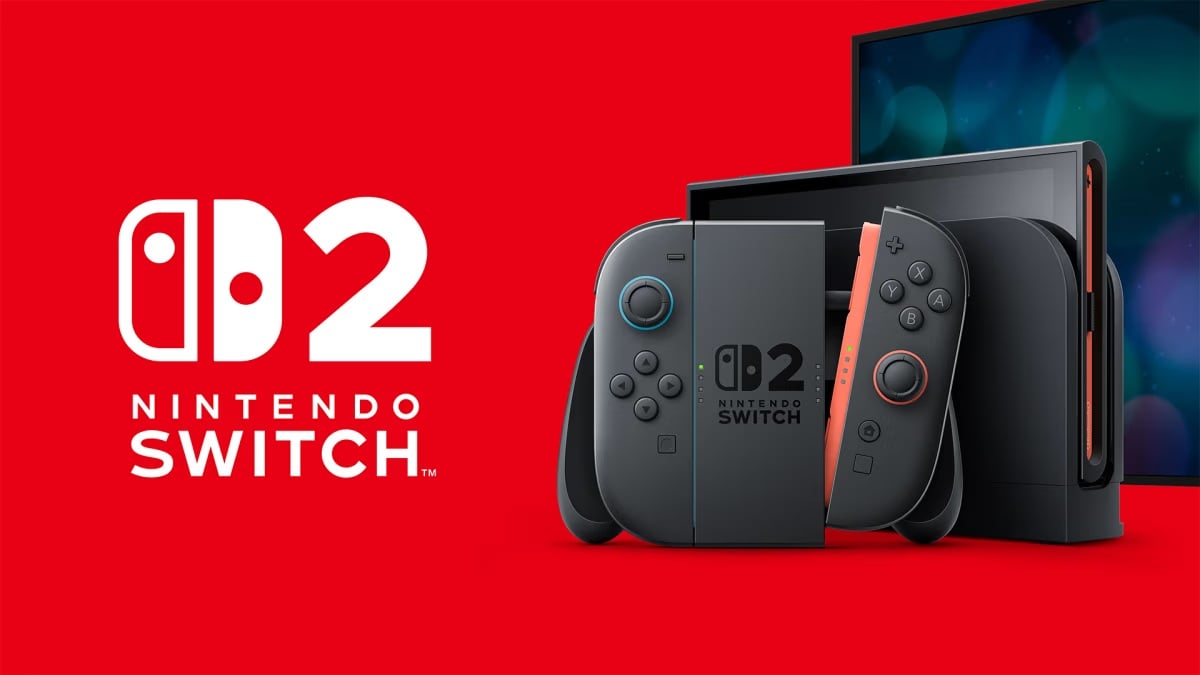
Nintendo has provided additional details on the reasoning behind its recent Switch 2 price increases, warning that tariffs, rising component costs, and broader market conditions could continue impacting the company’s hardware business in the future.
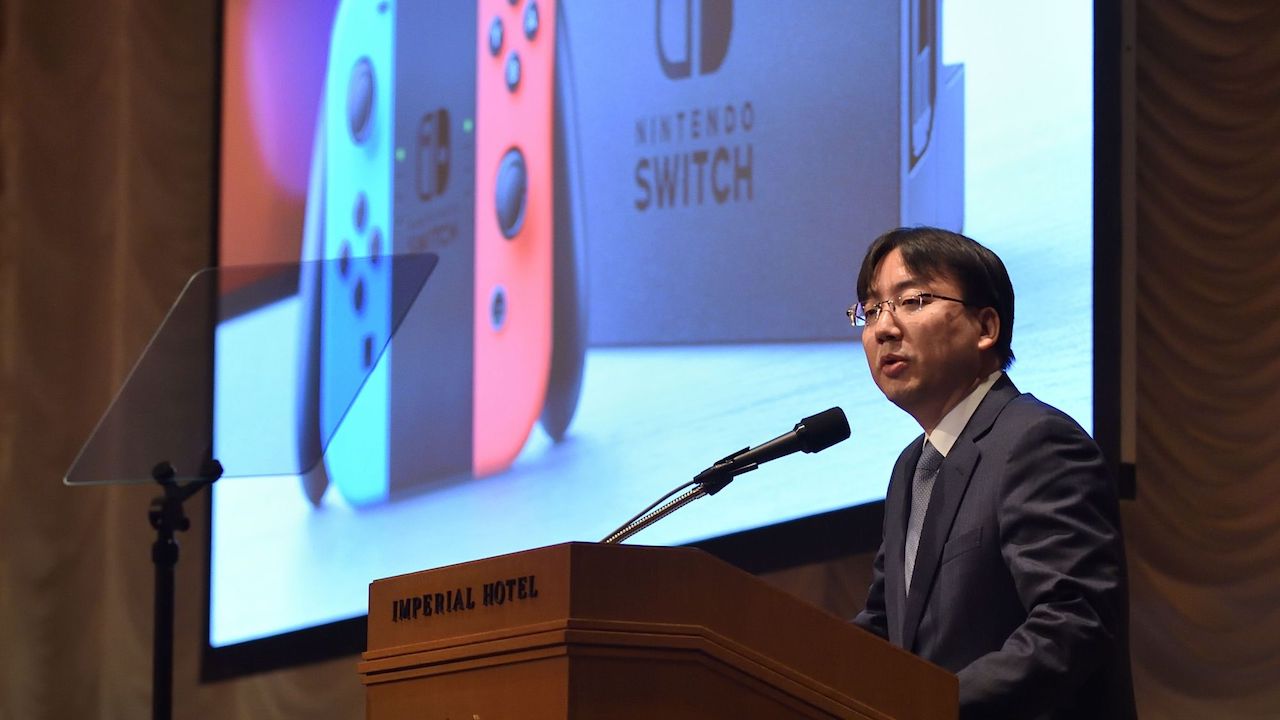
The comments come from a newly published investor Q&A session featuring Nintendo president Shuntaro Furukawa, originally released in Japanese.
During the discussion, Furukawa confirmed that Nintendo has factored approximately ¥100 billion into its current fiscal year forecast to account for the combined impact of tariffs and rising component prices, particularly memory costs.
“Regarding tariffs, as you understand, we are reflecting the absolute amount rather than the difference from the previous year’s impact,” Furukawa explained. He added that while component pricing did not significantly hurt hardware profitability last year, the company expects those pressures to continue compressing margins moving forward.
Furukawa also addressed Nintendo’s decision to raise Switch 2 pricing during the platform’s second year on the market. According to him, the move was not tied to a single issue but rather concerns over the long-term sustainability of Nintendo’s hardware business amid changing global economic conditions.
“This hardware price change was not caused by a specific factor,” Furukawa said. “However, since recent changes in the market environment—such as the soaring prices of components centered on memory, as well as trends in exchange rates and oil prices—are expected to continue over the mid-to-long term, we believed that maintaining the previous price could significantly deteriorate hardware profitability.”
Nintendo recently confirmed major Switch 2 price increases across Japan, the US, Canada, and Europe. Furukawa stated that pricing differences between regions reflect varying levels of market impact in each territory.
The Nintendo president also acknowledged that the higher pricing may affect purchasing decisions for some consumers. “We recognize that it will, to a certain extent, raise the hurdle when considering a purchase,” he said. At the same time, Furukawa emphasized that Nintendo’s strategy remains focused on delivering software experiences that justify the hardware’s value.
When asked whether additional price increases could occur if component costs continue rising, Furukawa did not rule out the possibility. “We intend to prepare so that we can respond flexibly to any situation beyond that,” he said.
Nintendo additionally discussed its long-term software strategy for Switch 2 amid growing development timelines across the industry. Furukawa acknowledged that modern game development cycles are becoming longer but stated the company is adjusting its internal processes to maintain a steady release schedule.
“We have various new titles prepared for Nintendo Switch 2 regardless of whether they are ‘major’ titles,” Furukawa said. He also teased that Nintendo plans to share more details about its software lineup for the second half of the fiscal year “at the appropriate time.”
The company further highlighted recent software releases helping maintain momentum across both Switch platforms. Furukawa noted that Pokémon Pokopia increased Switch 2 sell-through following its release earlier this year, while Tomodachi Life: Living the Dream reportedly saw around 40% of its player base already using Switch 2 hardware.
Nintendo currently forecasts 16.5 million Switch 2 hardware sales for FY2027 following a first fiscal year in which the system sold 19.86 million units worldwide.